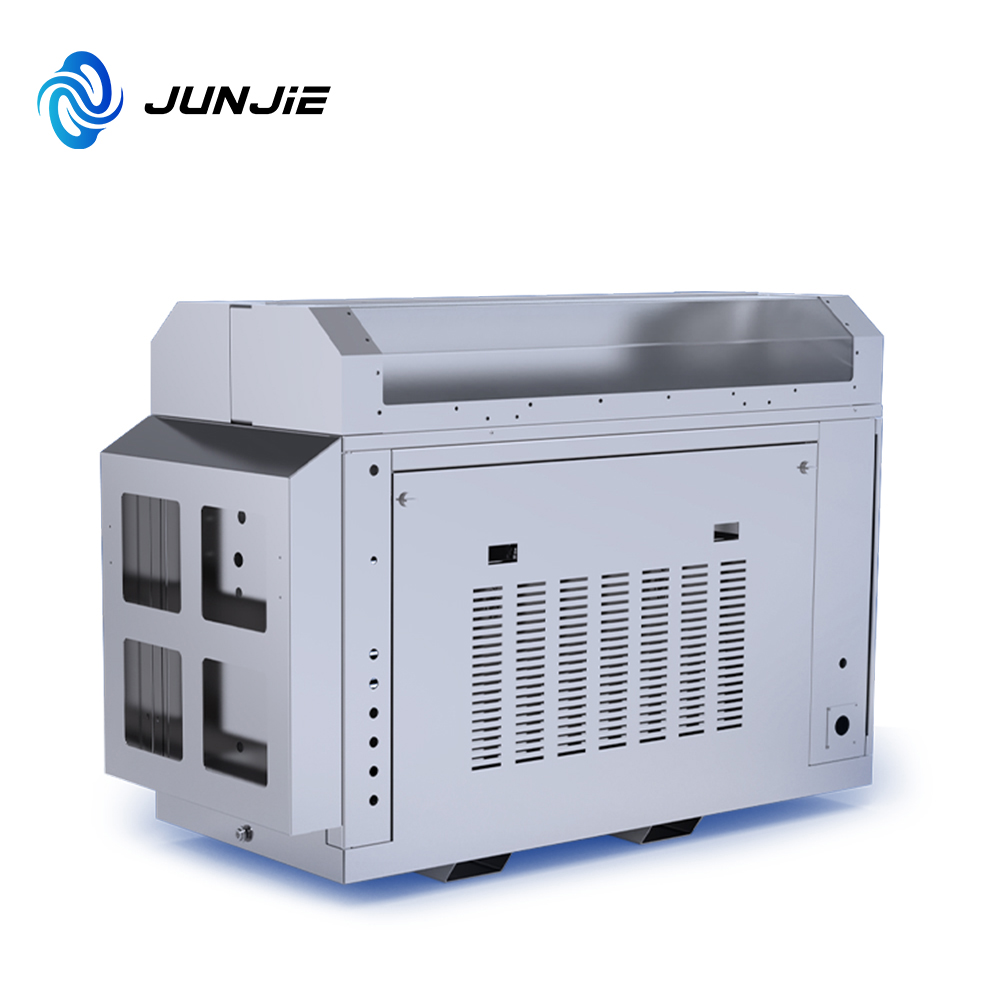
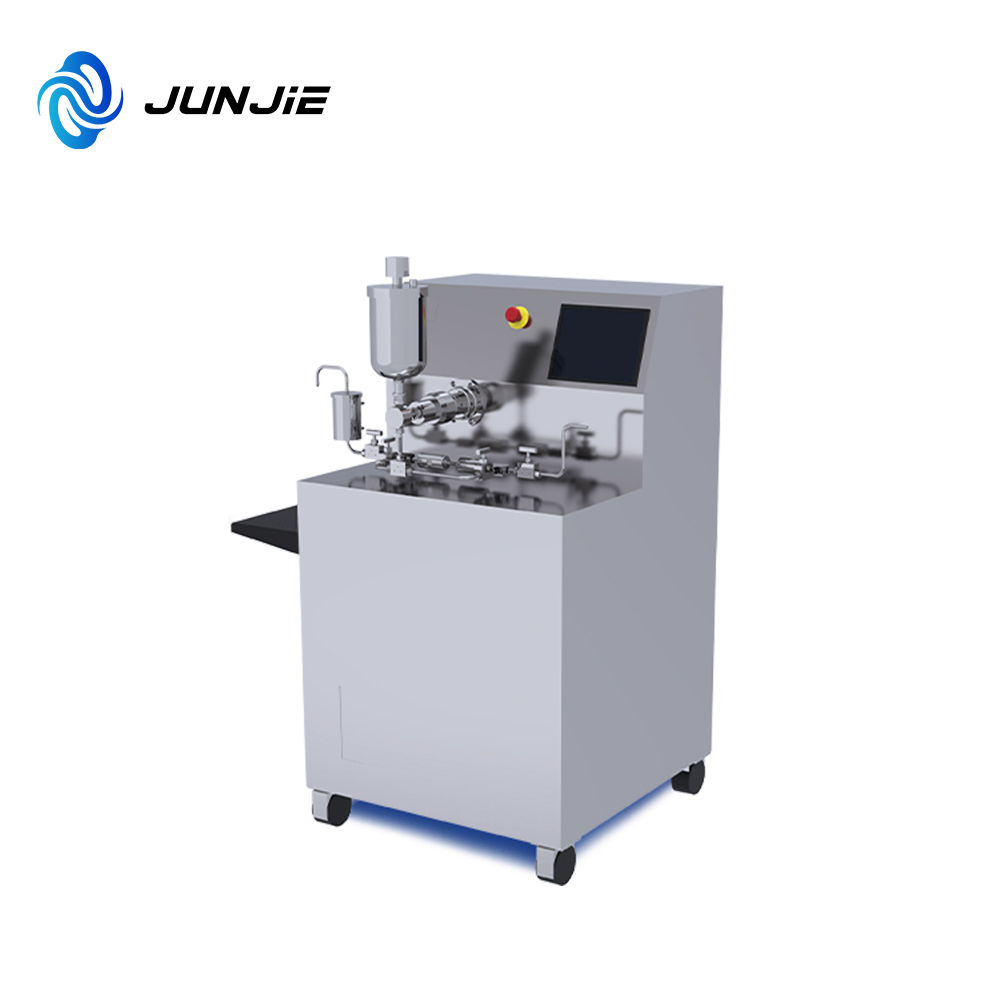
Microfluidic homogenization technology enables nanoscale precision dispersion and highly efficient encapsulation, making it ideally suited for the nanoscale preparation of biopharmaceuticals such as liposomes and mRNA vaccines, thereby ensuring the quality stability and batch-to-batch consistency of high-value-added biopharmaceuticals.
Applications: Bacillus subtilis, liposomes from traditional Chinese medicine, yeast, astaxanthin extraction from Haematococcus pluvialis.
Key Advantages: Why Choose Our Microfluidic High Pressure Homogenization Technology?
Active Preservation & Quality Control
Pure physical process with no impurities; precisely controls cell disruption while preserving active ingredients. Improves product yield by 15%, suitable for high-standard applications.
High Efficiency & Batch Consistency
Adjustable parameters; 40% higher efficiency than conventional homogenizers. Meets targets within fewer cycles, with >98% batch consistency.
Mature Technology & Energy Saving
Self-developed core components ensure stable operation; 30% lower energy consumption vs traditional systems, with full-process technical support.
High Precision & Versatility
Micro-jet shearing produces finer particles, narrower distribution, and improved activity retention. Suitable for tough cell-wall microbes (e.g., Bacillus subtilis) and multiple strains (e.g., lactic acid bacteria, actinomycetes).
Case Study: Bacillus subtilis Cell Disruption
Bacillus subtilis is widely used in food, feed, fermentation, and agriculture. Cell disruption efficiency, activity retention, and dispersion uniformity directly impact product efficacy, quality, cost, and scalability.
Limitations of Conventional Homogenization & Cell Disruption
Bacillus subtilis has a thick cell wall, which easily leads to incomplete cell wall disruption, loss of active ingredients, and uneven dispersion during deep processing, resulting in decreased product efficacy and a low yield.
Mechanical Grinding
1. Low efficiency (30–40%), poor cell wall penetration 2. High heat → activity degradation 3. Risk of contamination, poor consistency 4. Not scalable; >30% higher downstream costs 5. High energy consumption
Ultrasonic Treatment
1. Small-scale only, not for mass production 2. Local overheating damages activity 3. Poor repeatability, cross-contamination risk 4. Batch processing slows delivery
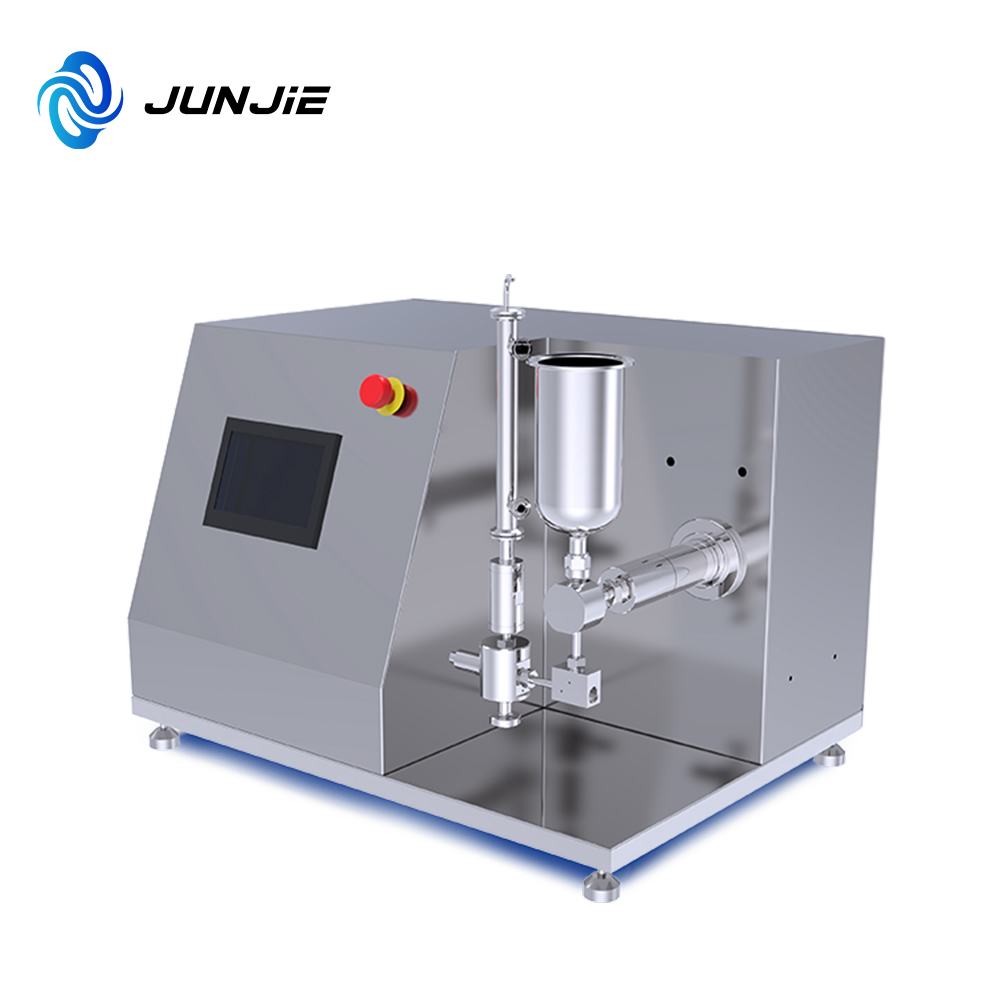
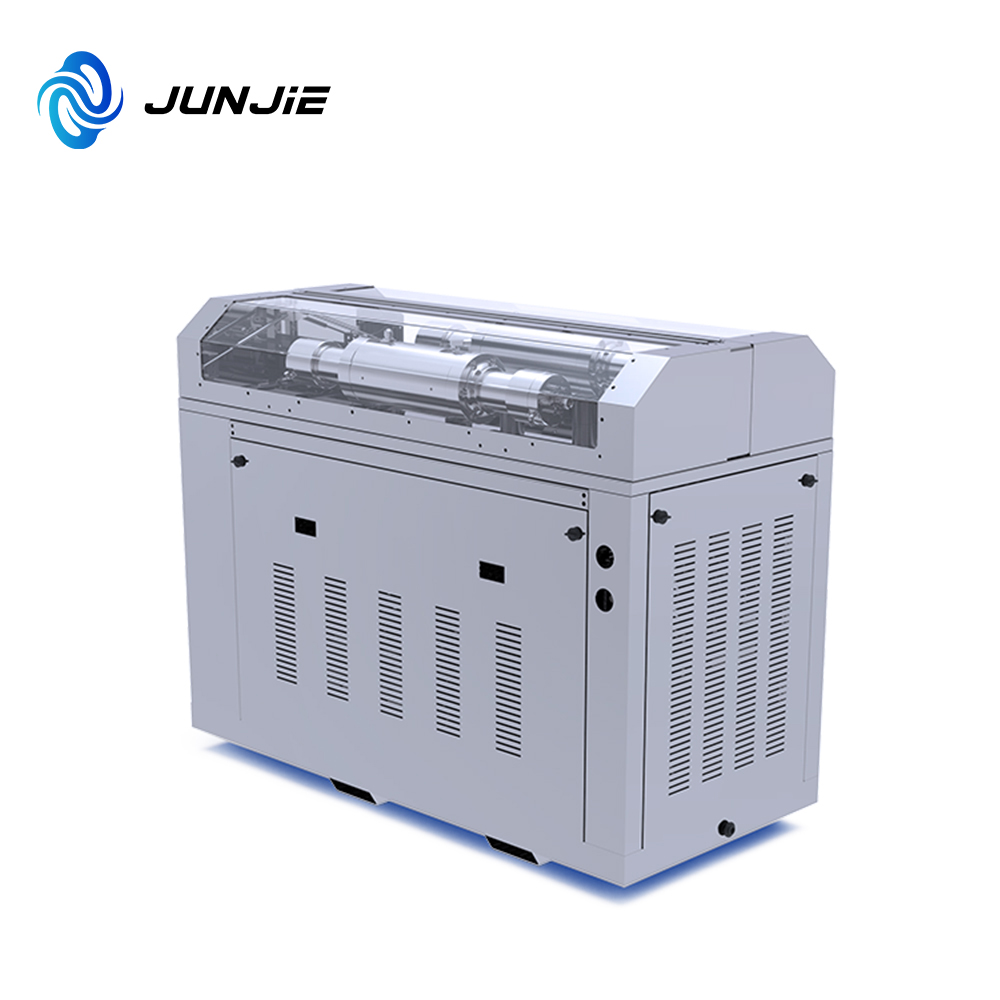
We provide customized microfluidic high pressure homogenization for efficient cell disruption. Pure physical processing generates strong shear, impact, and cavitation, enabling effective cell wall breakage while preserving activity through precise parameter control.
Experimental Plan
Experimental Conclusion
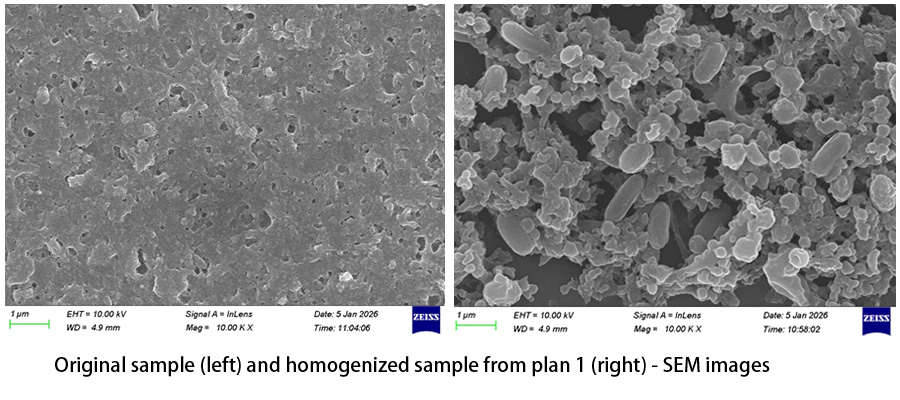
Particle Refinement: D90 reduced from 10,367.68 nm to 3,533.18 nm; PDI decreased from 0.41 to 0.36; oversized particles (>10 μm) eliminated.
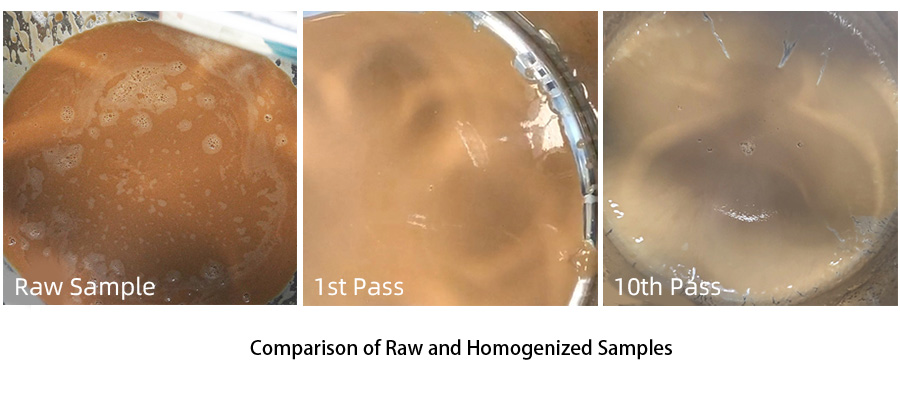
State Optimization: Broth changes from glossy yellow-brown and viscous (poor flow) to light brown with good flowability, reducing pipeline clogging and improving process continuity.
Cell Disruption: 75%–90% breakage rate with thorough cell rupture.
Quality Improvement: Significantly increases active ingredient release, reducing the rate of defective products.