Applications: Oil-based pigments, amino acid dispersions, alumina nano slurries, fumed silica dispersions.
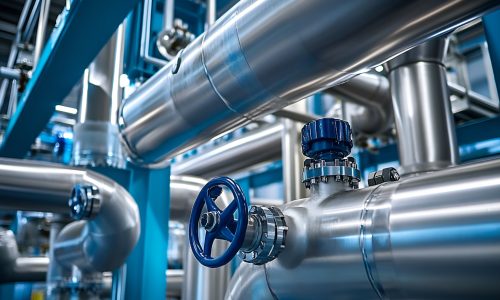
Its ultra-fine dispersion and efficient mass transfer enable seamless scale-up of nano suspensions and fine chemical emulsions, improving efficiency and purity while reducing time, variability, and energy consumption.
Applications: Oil-based pigments, amino acid dispersions, alumina nano slurries, fumed silica dispersions.
Purely physical process prevents contamination and allows precise control of particle size and distribution while preserving pigment performance—ideal for high-gloss and eco-friendly coatings and inks.
Adjustable process parameters; over 65% higher efficiency than traditional sand/ball milling, with >98.5% batch consistency in particle size and PDI—ideal for large-scale continuous production.
In-house developed core components ensure stable operation. Compared to conventional methods, energy consumption is reduced by ~40%, with no need for long grinding or complex post-processing.
Micro-jet technology enables one-step breakage and dispersion, ideal for high surface area, agglomeration-prone pigments. Compatible with both organic and inorganic systems, enhancing equipment utilization.
Oil-based pigment dispersions are essential in coatings, inks, and color pastes across industrial, packaging, architectural, and automotive applications. Particle size, uniformity, stability, and flow directly influence color strength, hiding power, gloss, and batch consistency, affecting product quality, market competitiveness, and production efficiency.
Oil-based pigments are typically hydrophobic powders with high surface energy, making them prone to agglomeration. Conventional methods often lead to uneven dispersion, wide particle size distribution, and poor stability.
1. Low dispersion efficiency (35%–45%), unable to fully break hard agglomerates
2. Uneven shear leads to viscosity fluctuations, causing sedimentation and phase separation
3. Air entrapment leads to defects such as pinholes and poor surface finish
4. Not suitable for large-scale production, with high reject rates
5. High energy consumption with additional defoaming and filtration required
1. Low efficiency, requiring 8–12 hours of grinding
2. Wear of grinding media introduces metal/ceramic contamination
3. Wide particle size distribution, causing inconsistent color and gloss
4. High equipment wear and maintenance cost
5. Residual media affects environmental compliance
1. Limited to small-scale lab use, not scalable for industrial production
2. Localized overheating may degrade pigment structure and dispersants
3. Poor repeatability, leading to batch-to-batch variation
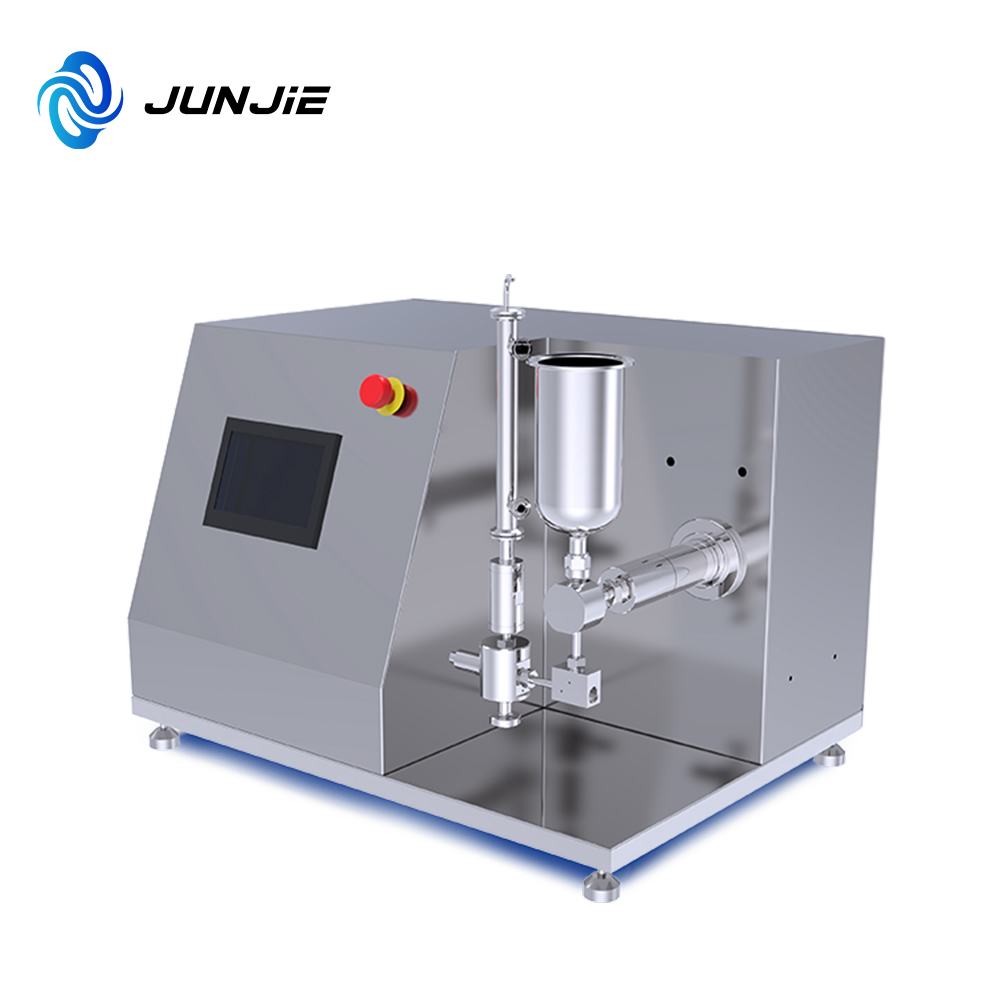
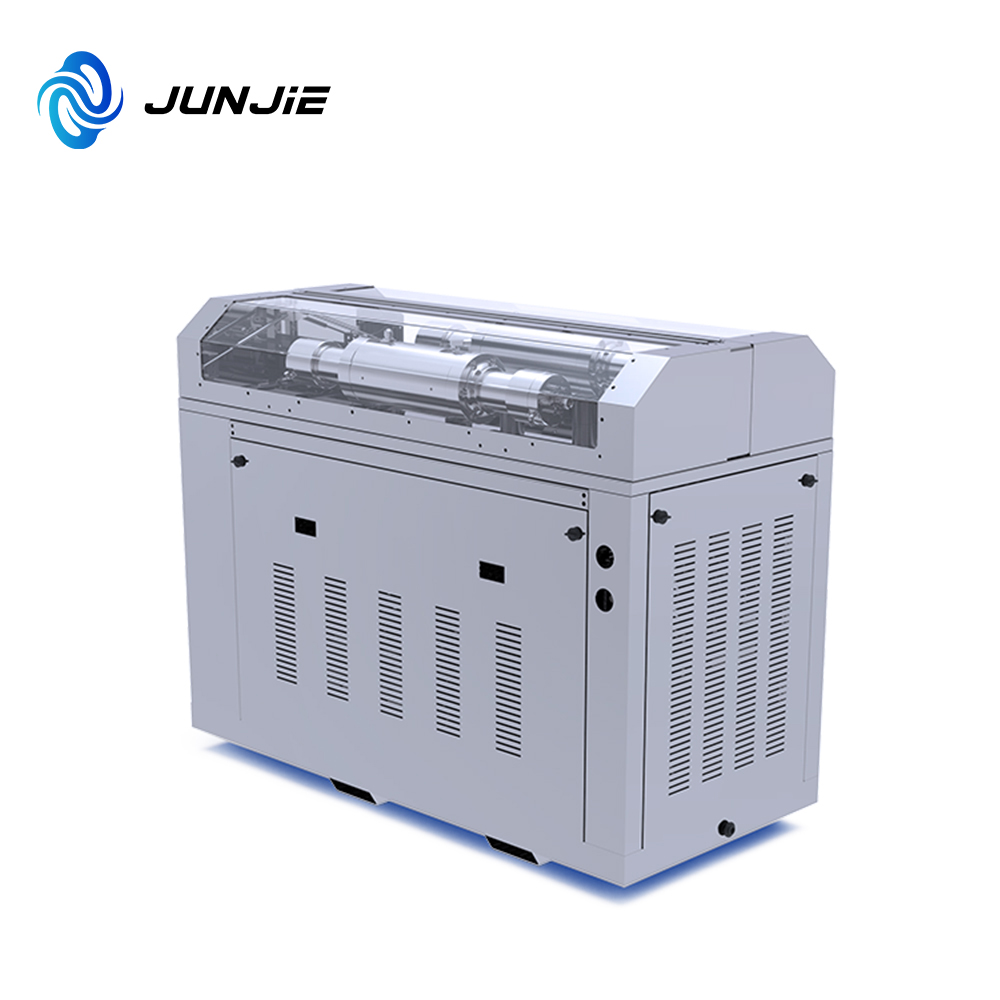
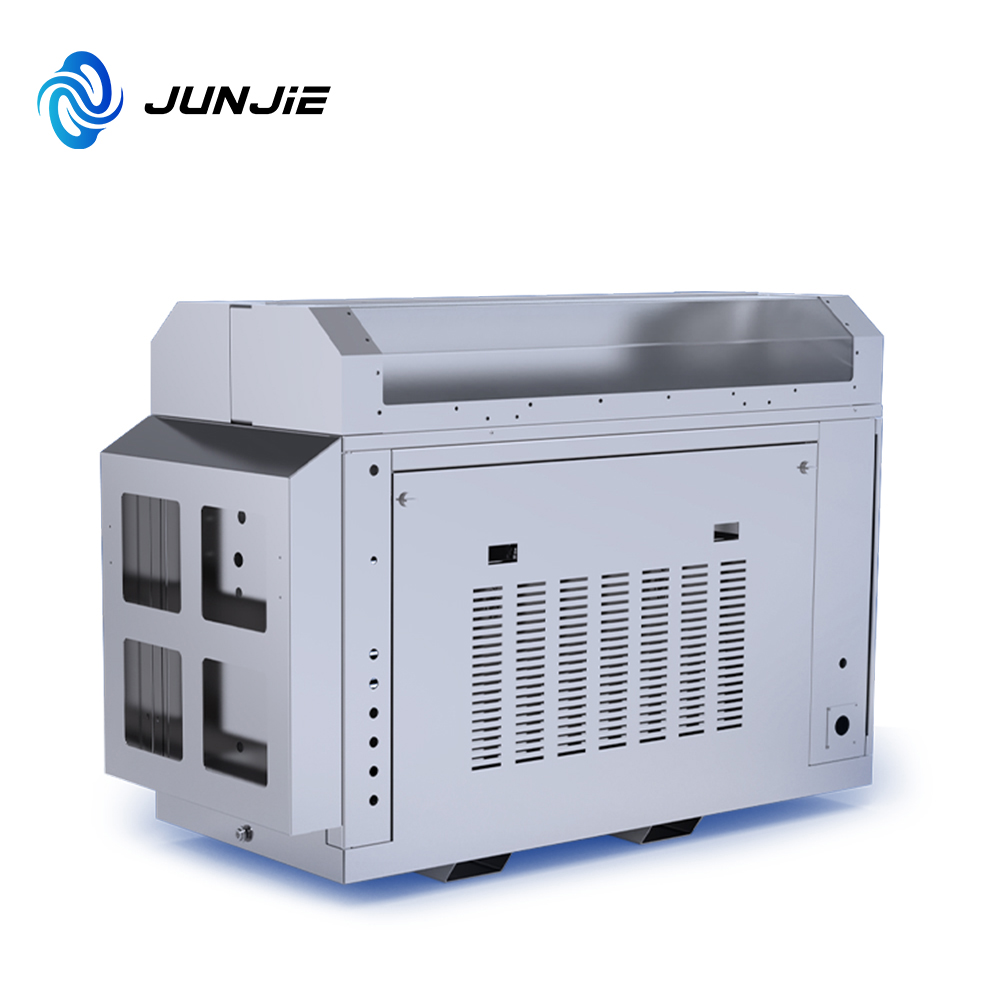
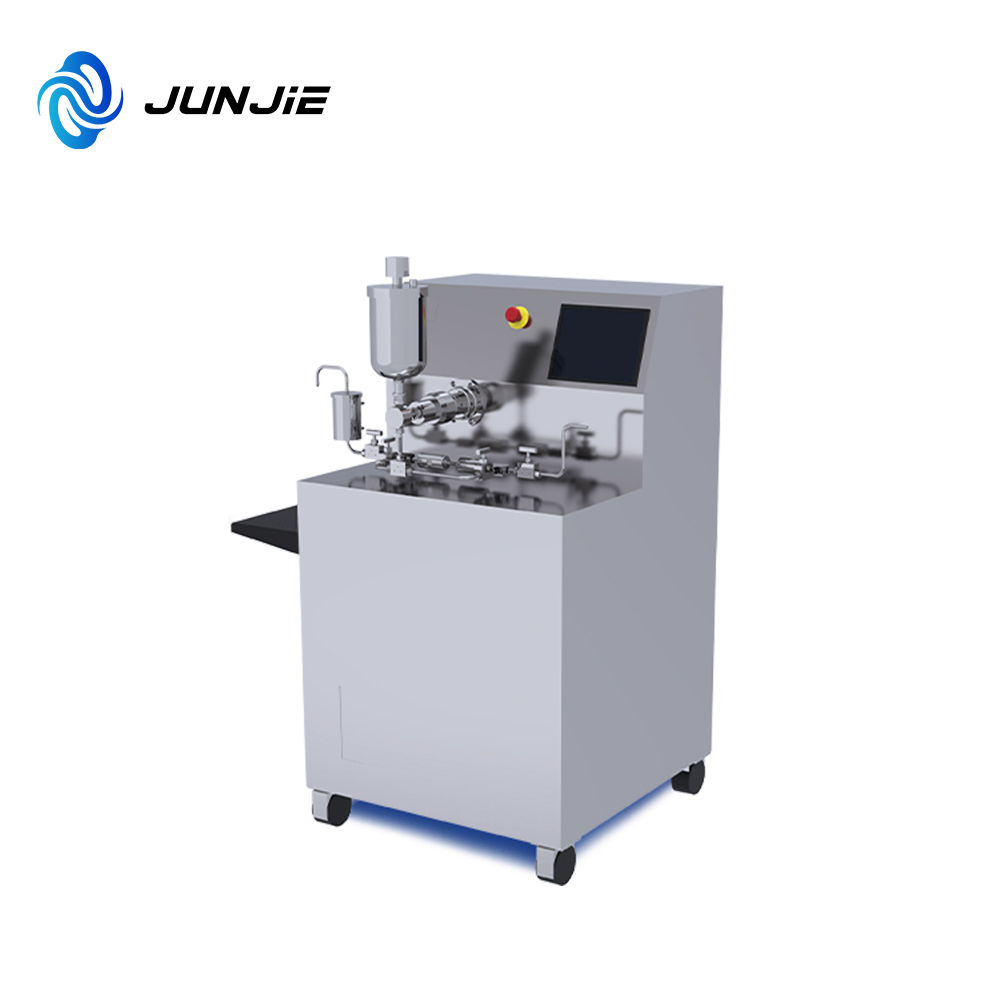
We provide customized high pressure homogenization solutions for oil-based pigments. Microfluidic technology physically breaks up pigment aggregates under high pressure, producing fine, uniform particles. Adjustable pressure and cycles prevent contamination and degradation, preserve color strength and gloss, and ensure stable, high-quality dispersions.
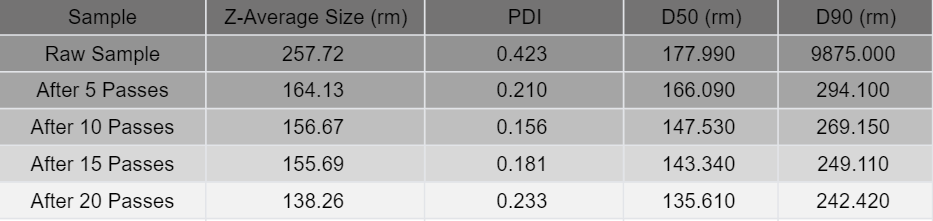
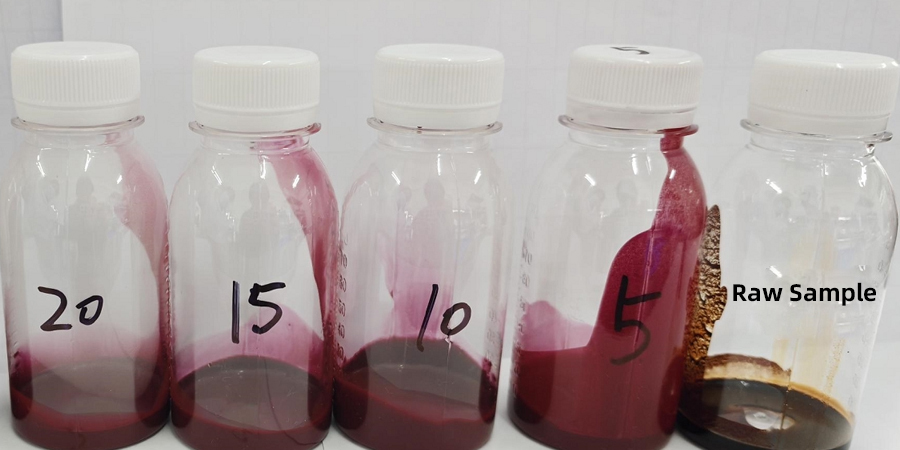
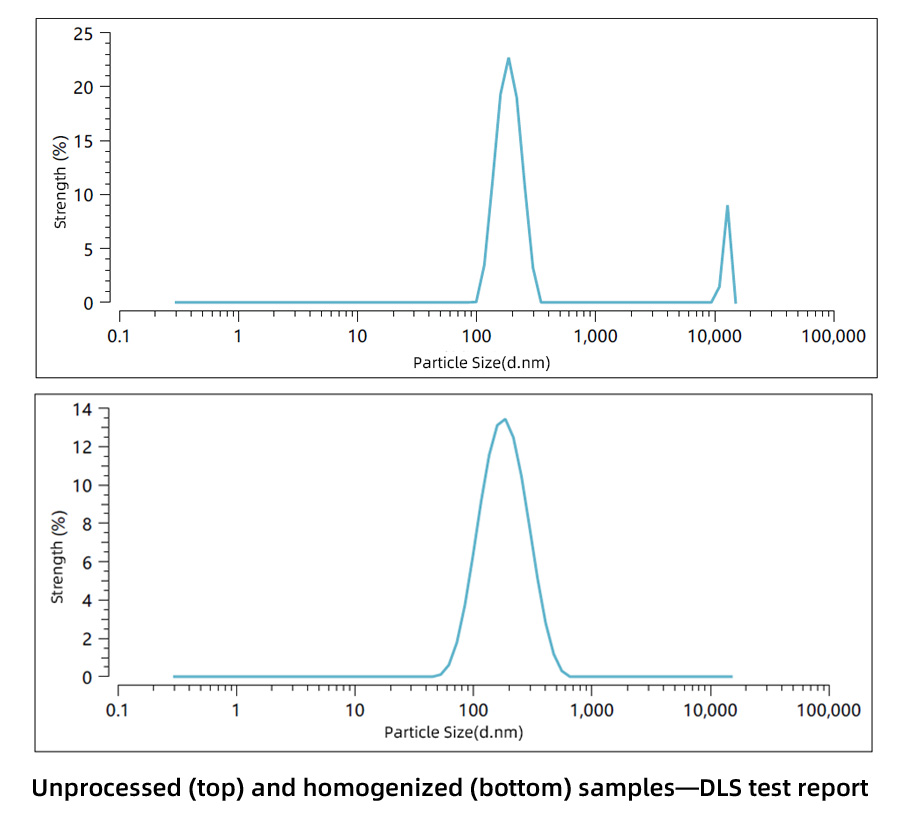
The samples were subjected to 20 cycles of high-pressure testing at 270 MPa. Samples were taken from the original material and after the 5th, 10th, 15th, and 20th cycles to measure particle size and dispersion.
From process adaptation and parameter optimization to production line design, we provide one-stop customization services.