Applications: Lycopene, DHA algal oil nanoemulsions, dairy products, perfume lemon juice, guava juice
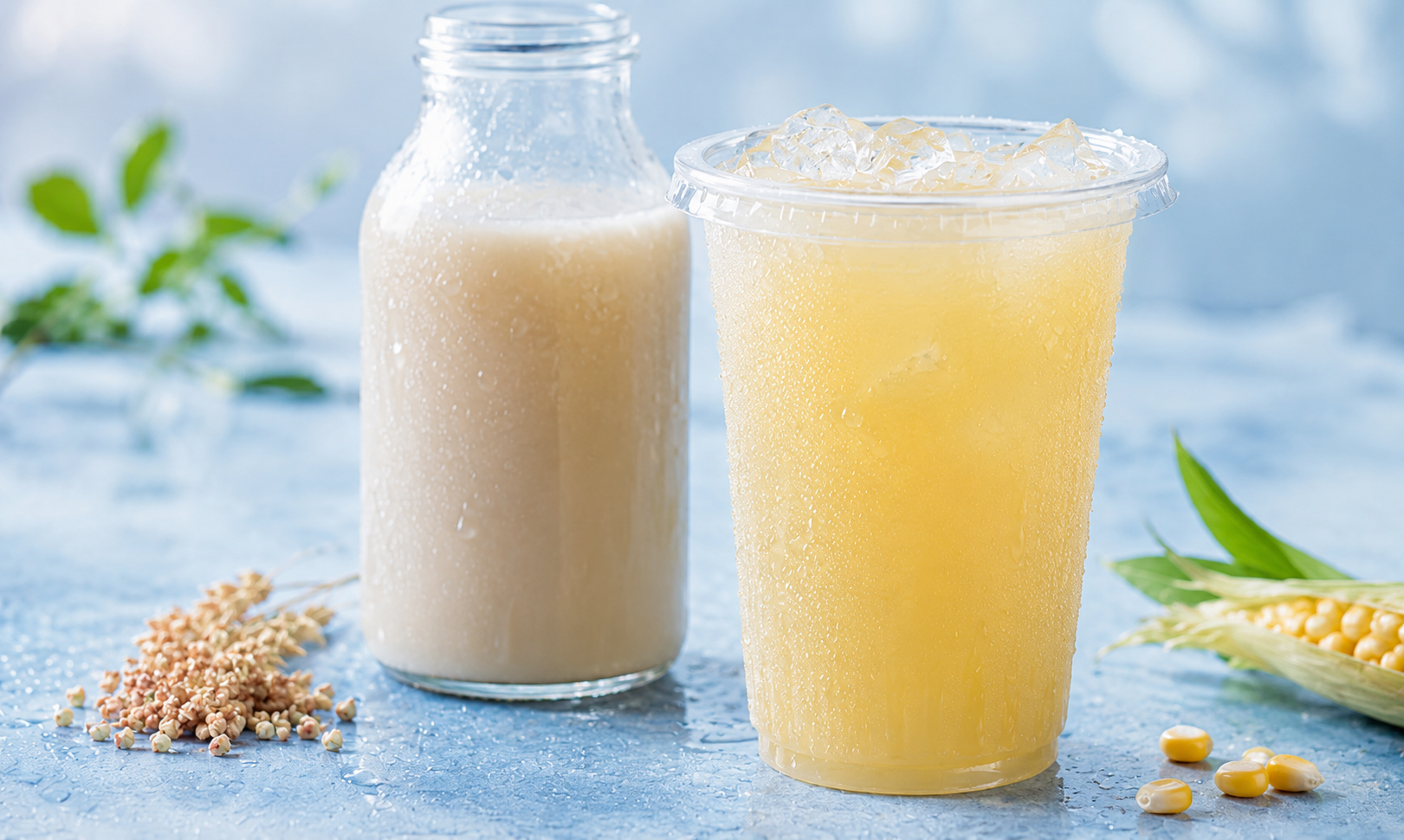
Ultra-fine particle reduction and stable emulsification improve texture and stability in plant-based drinks and dairy, reducing phase separation, production loss, and enhancing product quality and market value.
Applications: Lycopene, DHA algal oil nanoemulsions, dairy products, perfume lemon juice, guava juice
Purely physical process with no solvent residues. Precisely controls extraction and dispersion, preserving lycopene activity and color while improving stability and yield.
Flexible parameters with significantly higher efficiency than conventional methods. Targets can be achieved within limited cycles, ensuring high consistency in particle size, dispersion, and content across batches—ideal for large-scale continuous production.
Proprietary core components ensure stable operation. Compared to traditional extraction, overall energy consumption is reduced by ~30%, solvent usage is greatly lowered, and simplified purification reduces production and environmental costs.
Micro-jet shear and impact enable one-step crushing, extraction, and dispersion, enhancing yield while preserving bioactivity—ideal for lipid-soluble functional ingredients. Also compatible with lutein, β-carotene, and other natural pigments, maximizing equipment efficiency.
Lycopene is a natural functional pigment widely used in food additives, nutraceuticals, beverages, and cosmetics. Its extraction efficiency, stability, bioavailability, and dispersion uniformity directly determine product efficacy, color, shelf life, and market competitiveness—ultimately impacting production efficiency and delivery capability.
Lycopene is lipid-soluble and located within thylakoid membranes of tomato cells, making extraction and dispersion challenging. Common issues include incomplete extraction, oxidative degradation, and uneven dispersion, resulting in reduced efficacy and unstable color.
1. Low efficiency: only 30–40% extracted due to insufficient cell disruption.
2. Requires large amounts of organic solvents (e.g., hexane, ethanol), posing residue risks.
3. Oxidation during extraction leads to >25% activity loss and dull color.
4. Complex downstream purification increases cost by over 35%, limiting scalability.
5. Difficult solvent recovery adds environmental and compliance costs.
1. Suitable only for small batches; low production efficiency.
2. Localized heating accelerates oxidation and degradation.
3. Unstable results with batch-to-batch variation in color and purity.
4. Not suitable for large-scale production; longer lead times.
1. Coarse dispersion; particles tend to agglomerate and are hard to evenly disperse in water-based systems.
2. Multiple cycles required with high energy consumption; still limited uniformity.
3. Air incorporation leads to reduced shelf life, layering, and sedimentation.
4. High batch variability, increasing risk of complaints and recalls.
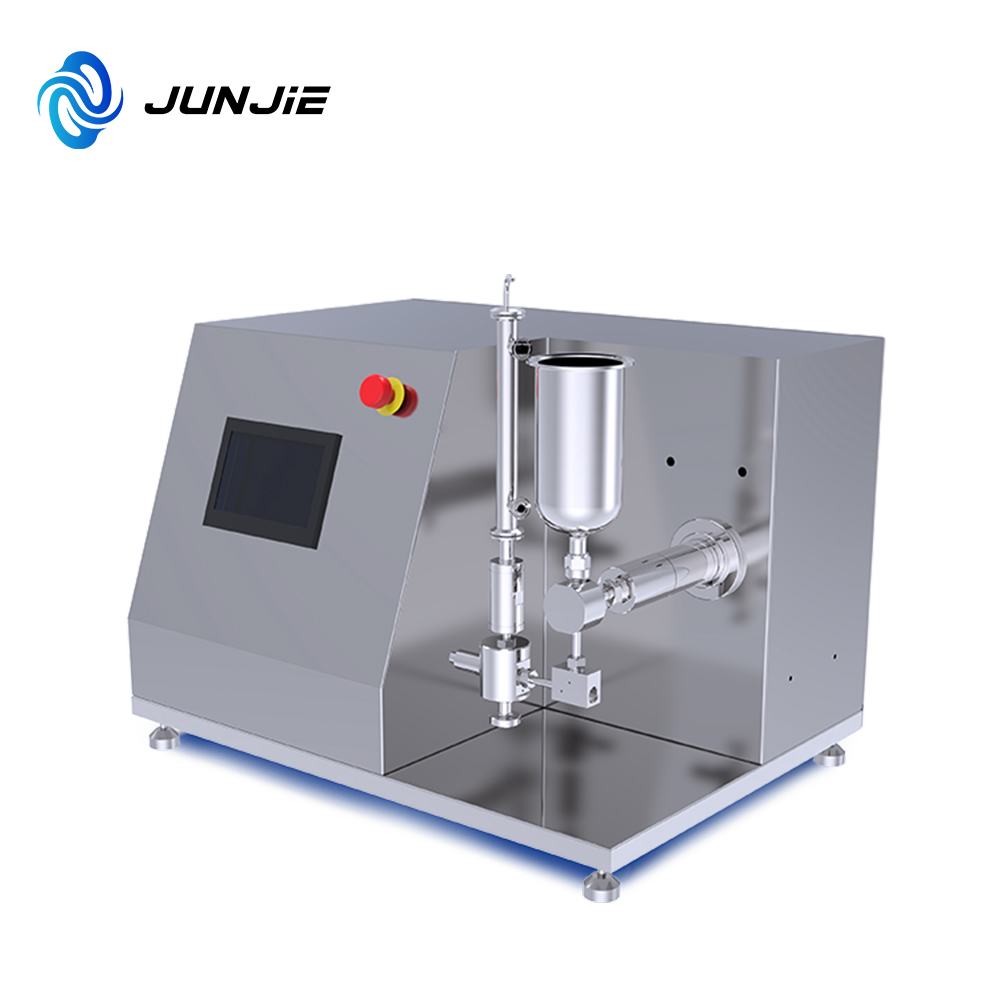
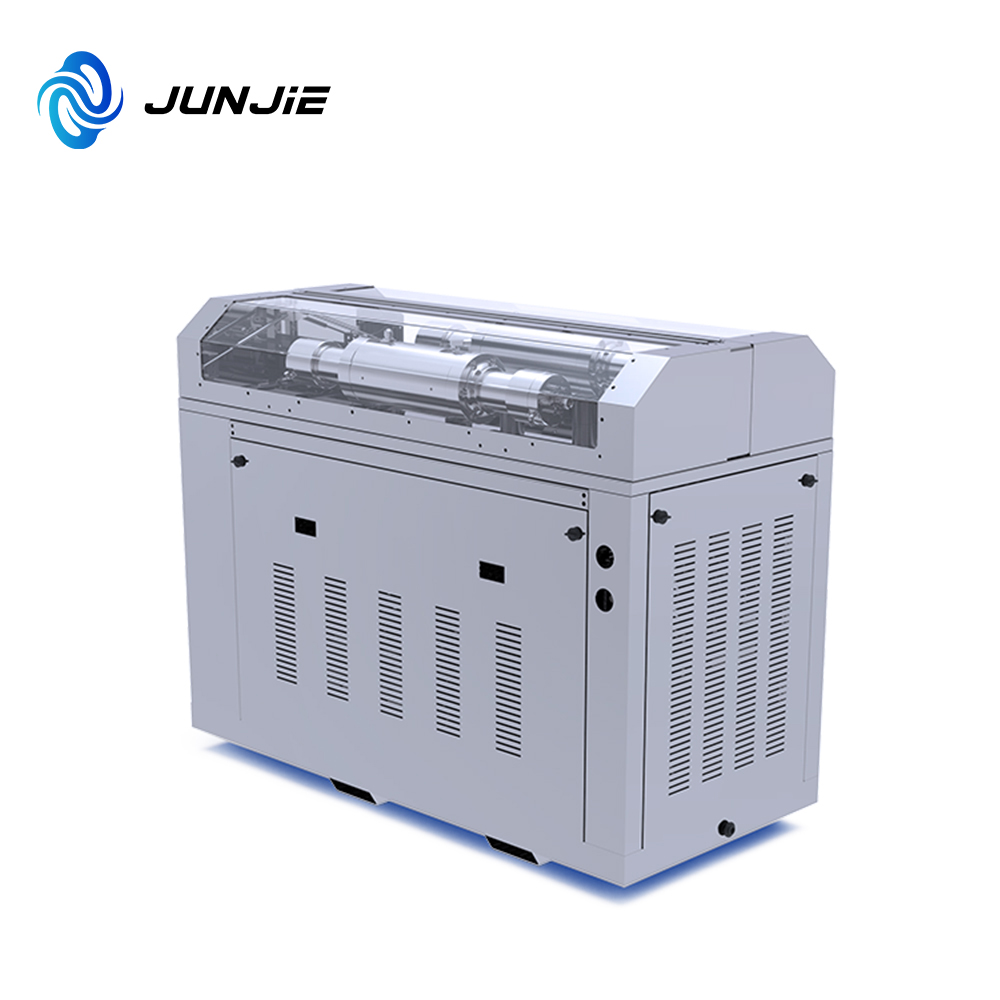
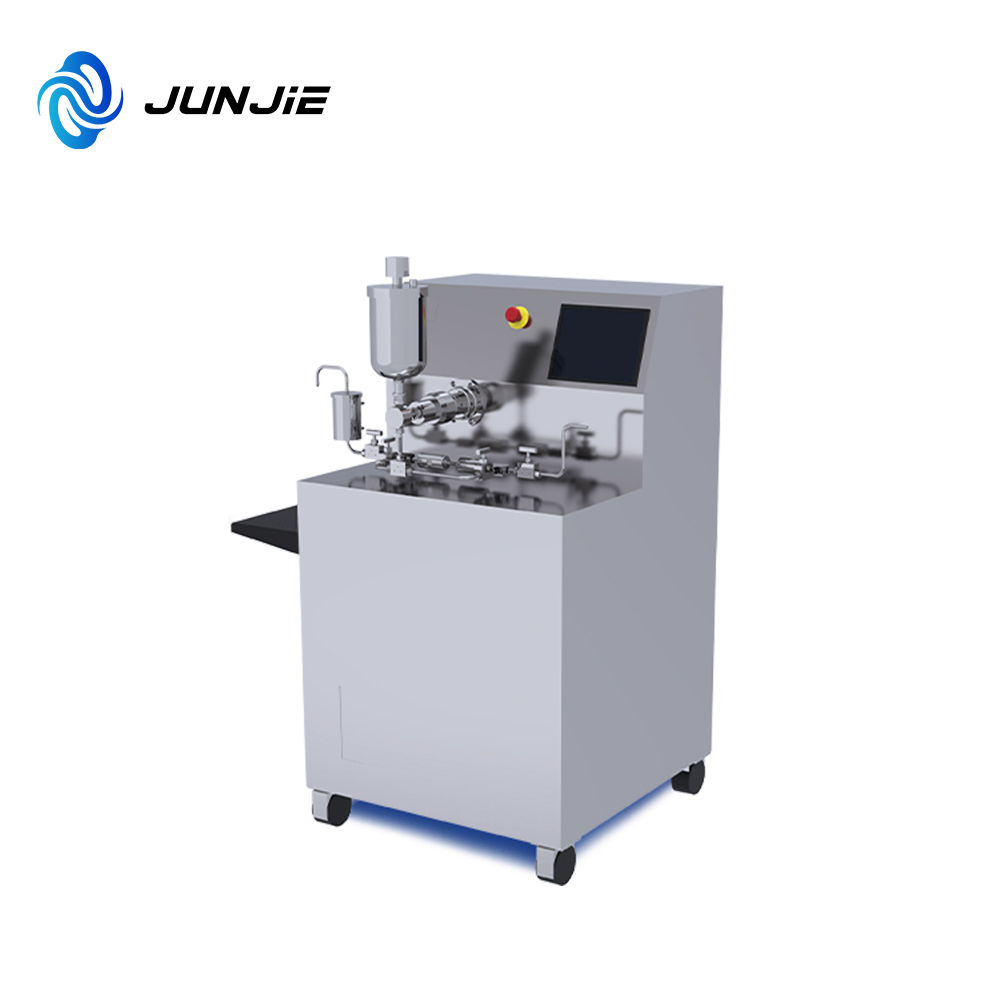
We offer customized ultra-high-pressure homogenization solutions for lycopene. Purely physical high-pressure treatment through precision microchannels generates strong shear, impact, and cavitation, breaking cell walls and thylakoid membranes to release lycopene and achieve uniform nanoscale dispersion. Adjustable pressure and cycles minimize oxidation, reduce or eliminate solvents, and ensure safe, stable, and scalable production.
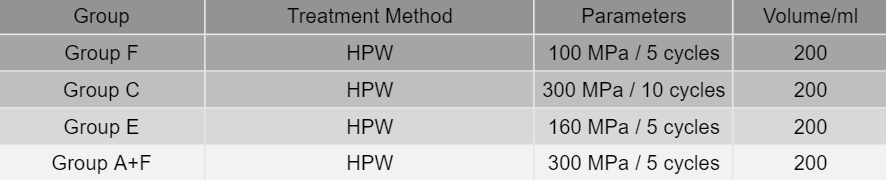
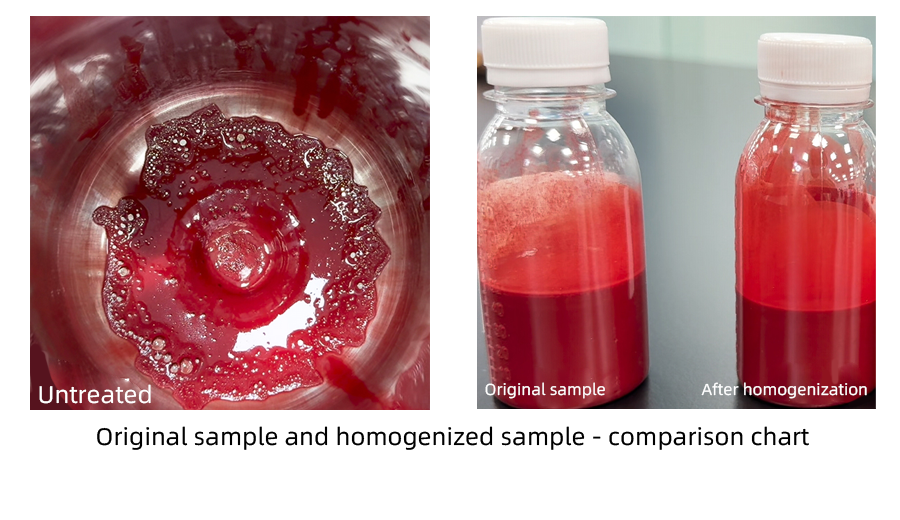
From process adaptation and parameter optimization to production line design, we provide one-stop customization services.