Applications: Silk protein solution, olive leaf extract, nanoemulsion preparation of glabridin, and lipid-based delivery systems for essential oils and ceramide liposomes.
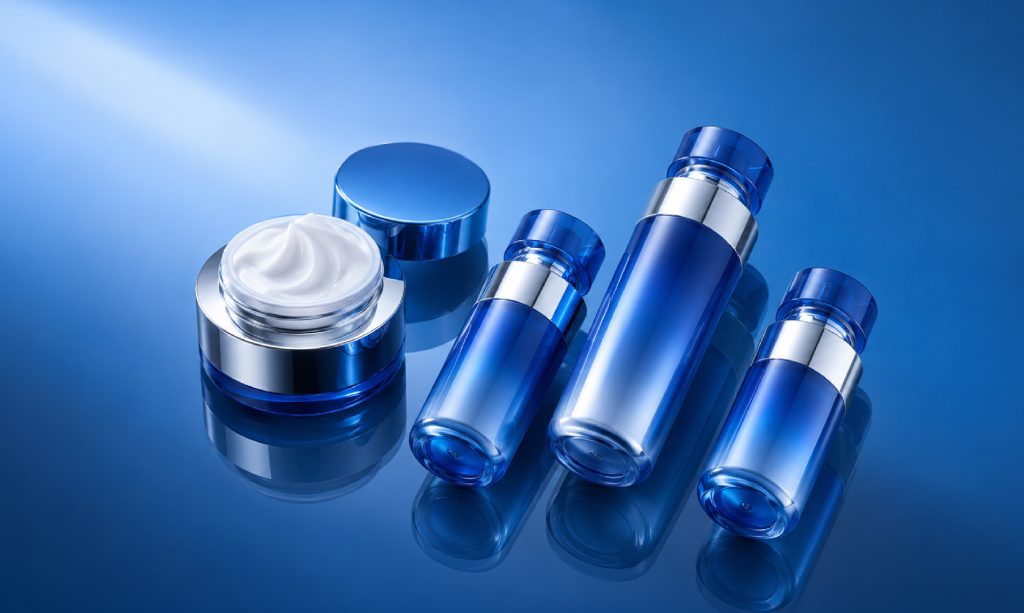
This technology enables efficient nano-encapsulation and stable, homogeneous formulations, enhancing active ingredient absorption and user experience in serums and creams. It supports beauty and personal care brands in creating high-efficacy, differentiated products with premium appeal.
Applications: Silk protein solution, olive leaf extract, nanoemulsion preparation of glabridin, and lipid-based delivery systems for essential oils and ceramide liposomes.
Purely physical processing with no enzymes or chemical additives ensures safety and purity. Precisely controls hydrolysis and dispersion while preserving silk protein bioactivity, enhancing production stability and product quality—perfect for sensitive-skin skincare formulations.
Adjustable parameters and >60% higher efficiency than conventional methods achieve target particle size and dispersion in fewer cycles. Batch-to-batch consistency in particle size and PDI exceeds 98%, meeting large-scale production needs.
Independently developed core components ensure stable operation and reduce energy use by 25–30% versus traditional methods. Improved dispersion and fewer large particles simplify filtration and purification, lowering material use and production time.
Microfluidic shear and impact forces break protein aggregates for uniform particle size and homogenization. Ideal for silk protein and other functional actives prone to aggregation, including collagen and hyaluronic acid, enhancing equipment utilization.
Silk protein solution is a key functional ingredient in personal care products, rich in fibroin and sericin. Used in masks, serums, lotions, and creams, its hydrolysis level, dispersion uniformity, activity retention, and skin compatibility directly impact skincare efficacy, sensory experience, market competitiveness, and large-scale production efficiency.
Silk fibers have a dense structure composed of fibroin and sericin proteins. During processing, they are prone to incomplete hydrolysis, aggregation, and activity loss, resulting in viscous solutions and poor skin absorption.
1. Low hydrolysis efficiency: only 35%–45% of silk fibers are broken down, resulting in high molecular weight proteins that are difficult for skin absorption
2. Strict process conditions (temperature and pH are difficult to control), leading to enzyme instability and significant batch-to-batch variation
3. Protein denaturation during hydrolysis causes over 22% loss of bioactivity, reducing skincare performance
4. Additional de-enzyme and purification steps increase cost by more than 30%, making it unsuitable for large-scale production
5. Residual enzymes may cause skin irritation or allergic reactions, affecting product safety
1. Excessive hydrolysis leads to protein chain breakage and loss of natural skincare activity
2. Poor process controllability results in uneven molecular size distribution, unstable viscosity, and inferior skin feel
3. By-products such as odor and impurities require additional deodorization and purification steps
4. High energy consumption and low efficiency make it difficult to support large-volume production
1. Coarse dispersion causes protein aggregation, resulting in turbidity, stickiness, and “pilling” effects on skin
2. Multiple processing cycles are required, leading to high energy consumption and still insufficient uniformity
3. Uneven heat generation accelerates protein denaturation and further activity loss
4. Significant batch-to-batch inconsistency in viscosity and clarity increases customer complaints and damages brand reputation
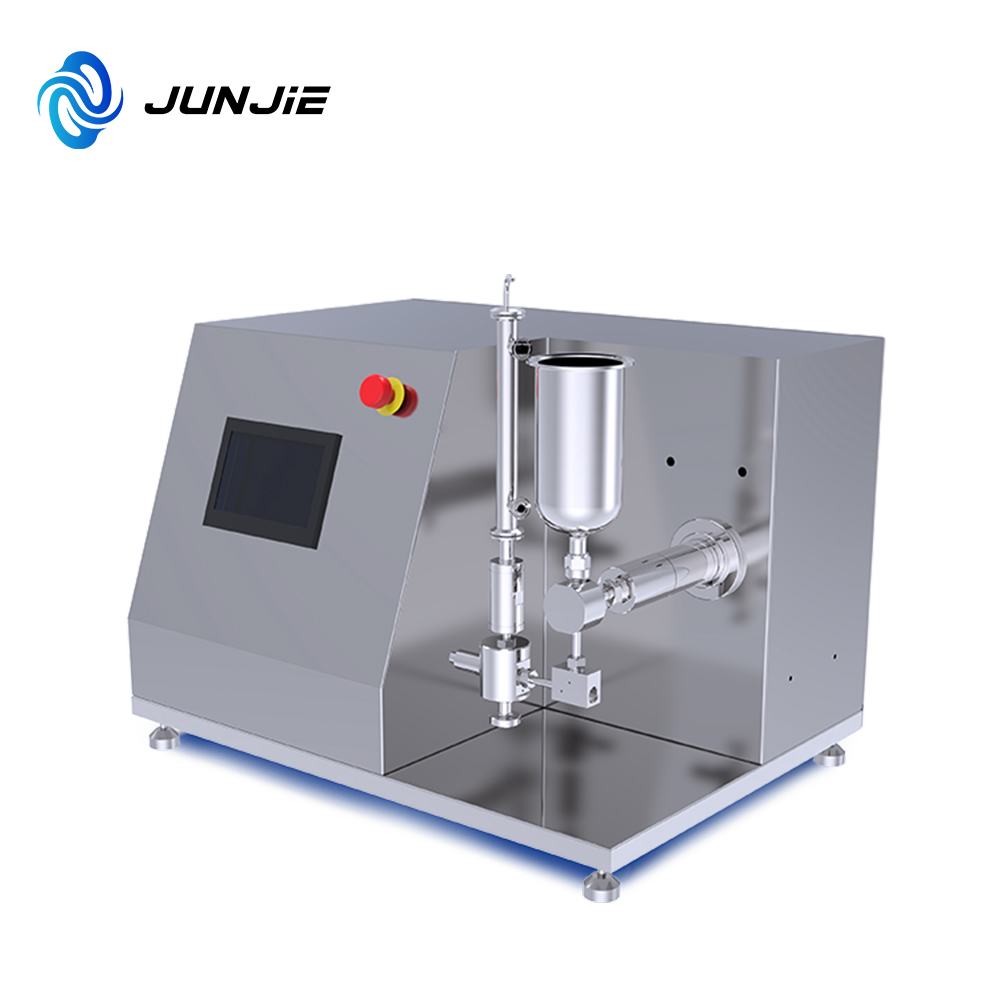
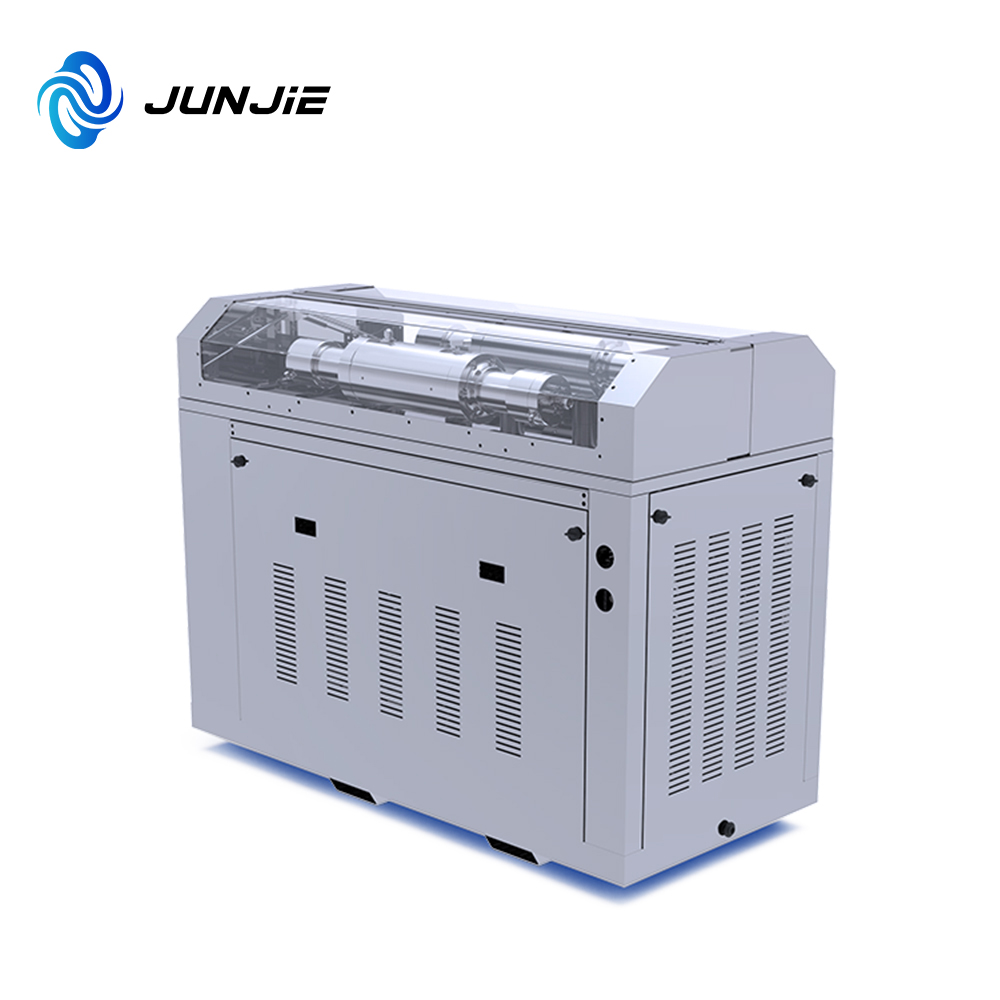
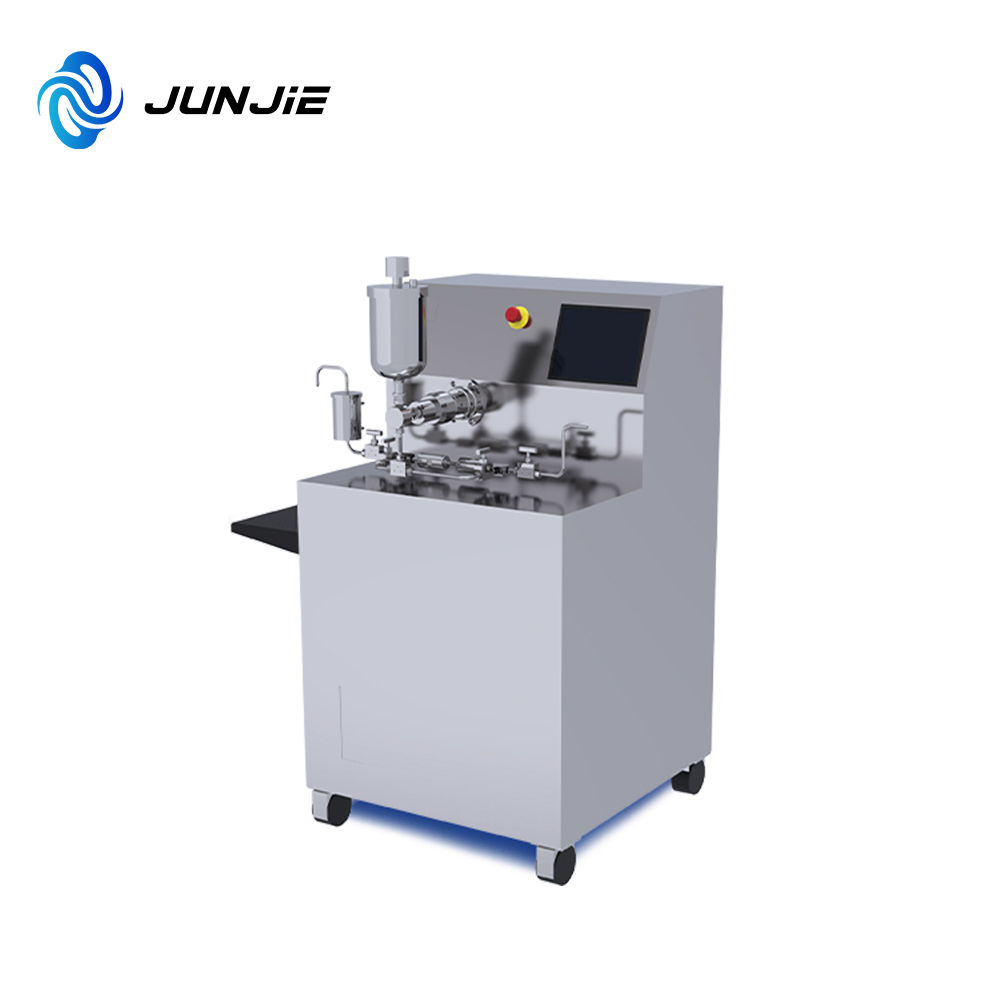
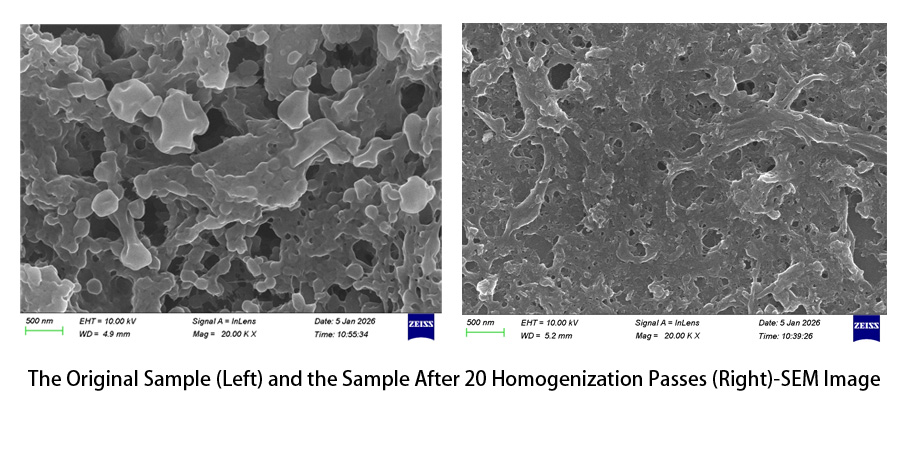
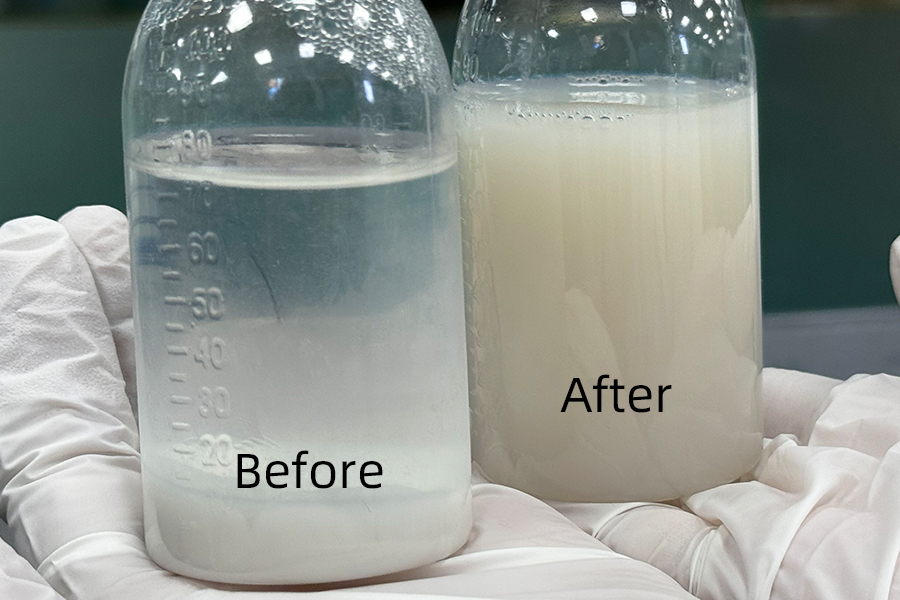
We provide customized ultra-high-pressure homogenization solutions for silk protein. The system applies purely physical high-pressure treatment to raw or partially hydrolyzed silk, generating strong shear, impact, and cavitation to break fibers, achieve complete protein hydrolysis, and uniform dispersion. Adjustable pressure and cycles maximize protein activity retention while minimizing additives for gentle, non-irritating skincare formulations.
Cycle 30 times at 300–340 MPa, retain samples from the initial test, as well as from the 10th, 20th, and 30th cycles, for testing.

From process adaptation and parameter optimization to production line design, we provide one-stop customization services.