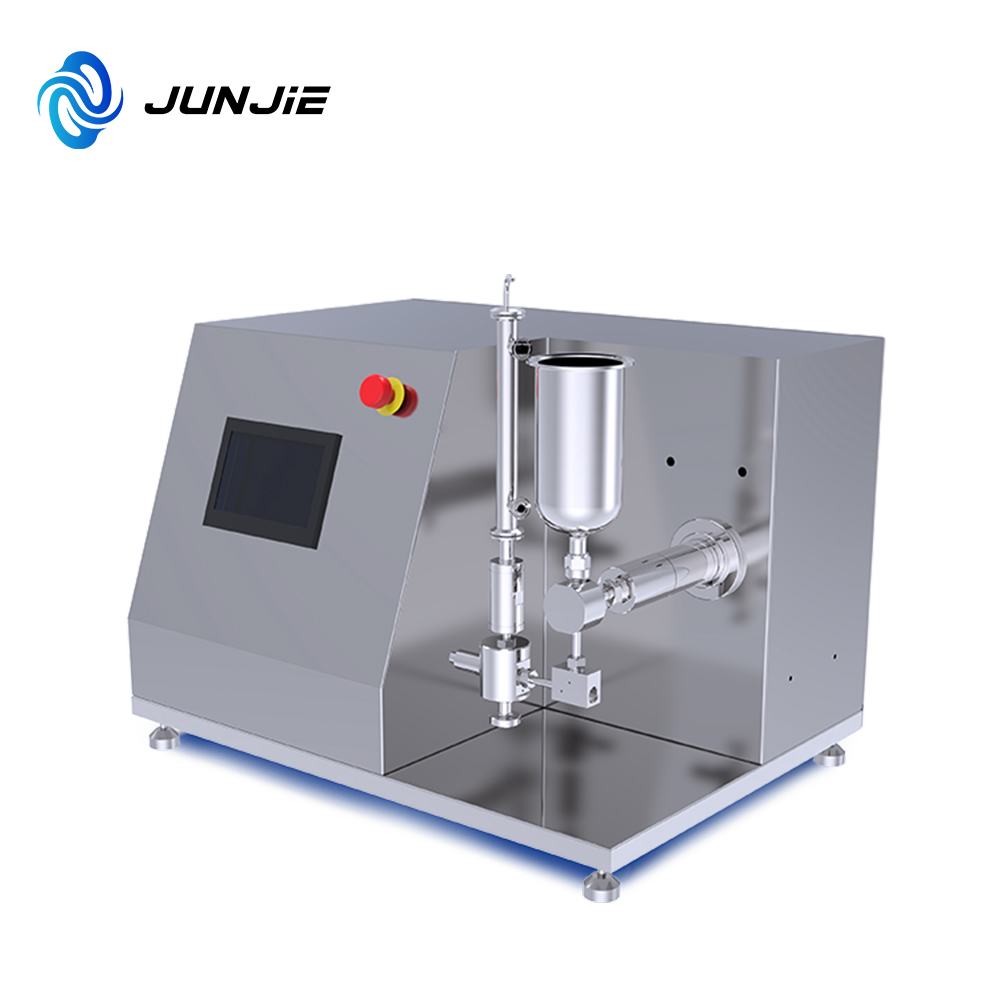
Applications: Solid-state electrolytes, nano nickel powder, PVDF (polyvinylidene fluoride) solutions, platinum-carbon catalyst slurries.
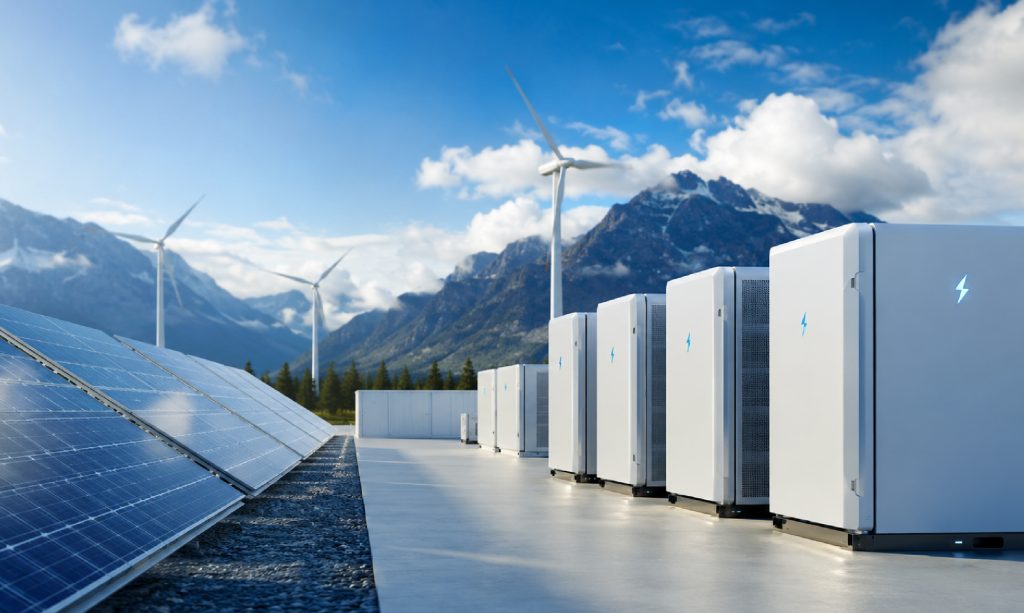
In lithium batteries and fuel cells, its superior powder homogenization and interfacial modification ensure fully uniform electrode slurries, enhancing energy density and cycle life. This technology helps optimize material preparation, reduce costs, and accelerate battery performance upgrades.
Applications: Solid-state electrolytes, nano nickel powder, PVDF (polyvinylidene fluoride) solutions, platinum-carbon catalyst slurries.
This is a purely physical process with no chemical additives, no contaminants, and no solvent residue. It enables precise control over dispersion uniformity and interfacial compatibility, significantly improving ionic conductivity and stability of the electrolyte.
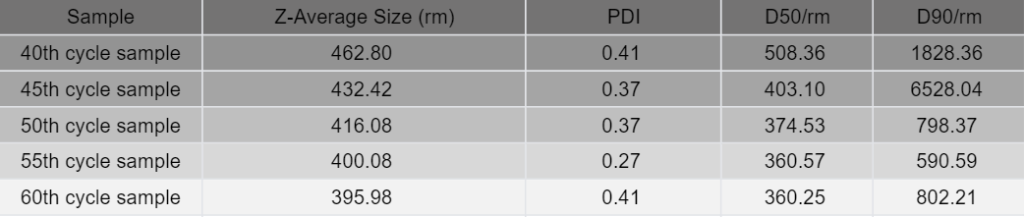
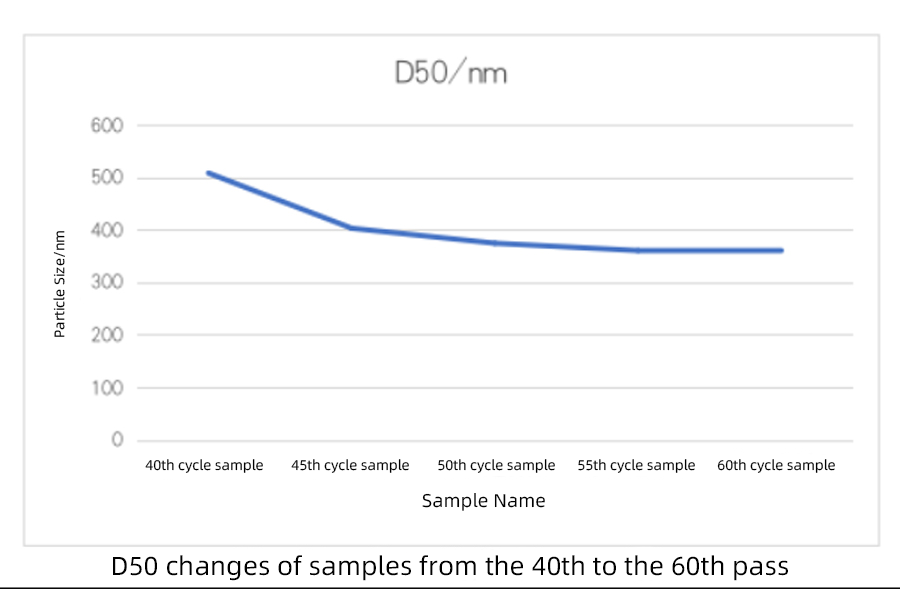
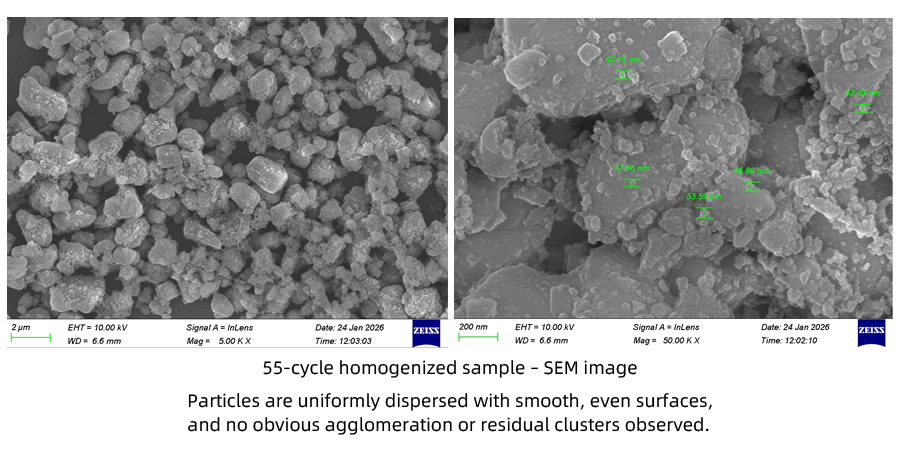
Compared with traditional melt blending, production efficiency is improved by over 75%. Target performance can be achieved within 55 cycles. Batch-to-batch consistency reaches over 98.5%, making it highly suitable for large-scale industrial production.
Independently developed core components ensure stable operation, reduce energy consumption by 38% versus conventional equipment, eliminate solvent residue risk, and include full technical support.
Precision microchannels generate strong shear and impact forces for uniform dispersion, ideal for hard-to-disperse systems like solid-state electrolytes, compatible with polymer, inorganic, and composite systems, boosting equipment efficiency.
Solid-state electrolytes are key components in solid-state batteries, used in power batteries, energy storage, and consumer electronics. Ionic conductivity, component compatibility, mechanical stability, and dispersion uniformity directly affect energy density, cycle life, safety, and overall battery performance.
Solid-state electrolytes, composed of salts, polymers, fillers, and additives, often face filler agglomeration, uneven salt dispersion, and poor polymer–filler compatibility, leading to low ionic conductivity and weak mechanical strength.
Solid-state electrolytes, composed of salts, polymers, fillers, and additives, often face filler agglomeration, uneven salt dispersion, and poor polymer–filler compatibility, leading to low ionic conductivity and weak mechanical strength.
1. Poor dispersion: only 32%–42% of inorganic fillers are evenly distributed, while most tend to agglomerate
2. High processing temperature (typically 150–200°C), which may cause decomposition of electrolyte salts and degradation of polymers, reducing performance
3. Poor compatibility between polymer and inorganic fillers, leading to phase separation and restricted ion transport with low conductivity
4. Not suitable for large-scale production; battery assembly defect rates can increase by over 28%
5. High energy consumption and consistently high production cost per unit, with significant batch-to-batch quality variation
1. Long processing cycle involving dissolution, stirring, casting, and drying, resulting in very low production efficiency
2. Requires large amounts of organic solvents, leaving potential residues that affect battery safety and increase environmental pressure
3. Shrinkage and cracking during drying can occur, reducing mechanical performance and shortening battery lifespan
4. Only suitable for small-scale production and unable to meet industrial mass-production demands, leading to delayed delivery
1. Harsh mechanical action may damage inorganic fillers, resulting in uneven particle sizes and reduced ion transport efficiency
2. Requires multiple mixing cycles, doubling energy consumption while still failing to achieve uniform dispersion and good interfacial contact
3. Prone to introducing impurities and air bubbles, increasing the risk of internal short circuits and reducing safety
4. Significant batch variation, with ionic conductivity fluctuations exceeding ±20%, leading to potential customer complaints and even product recalls
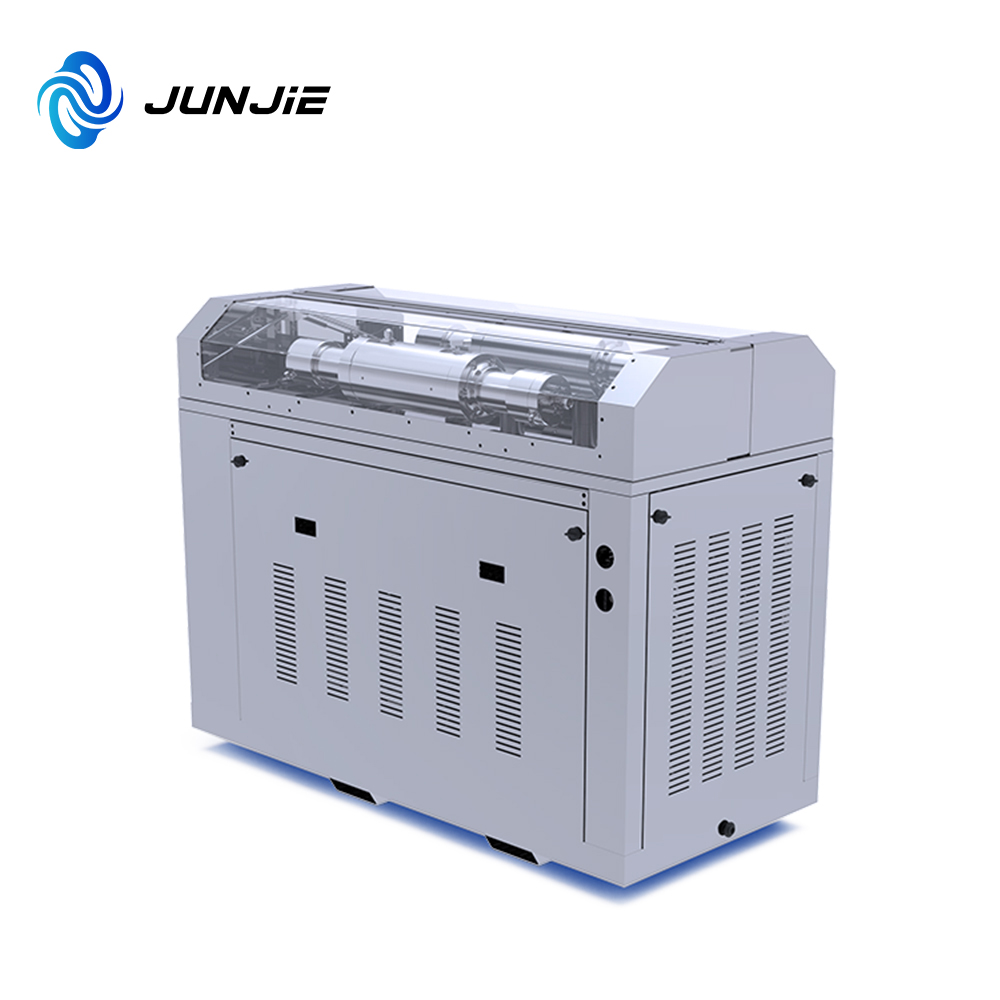
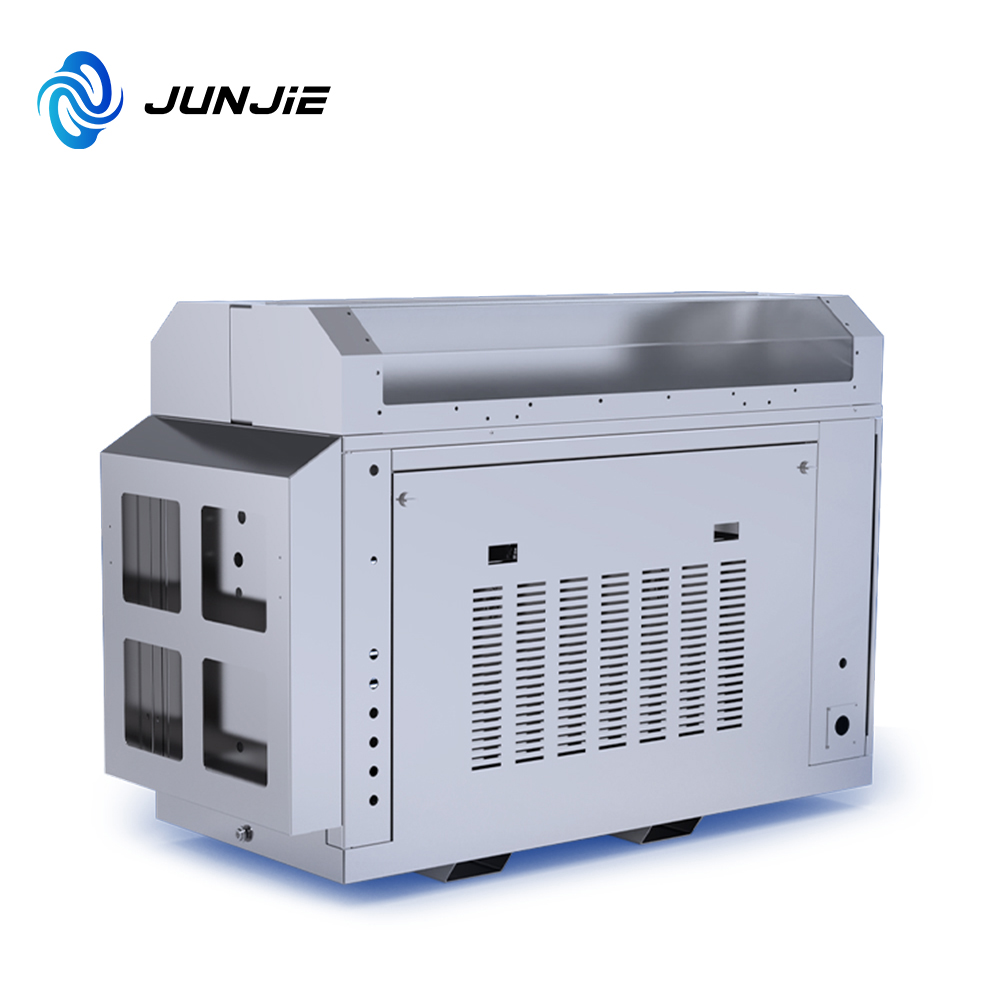
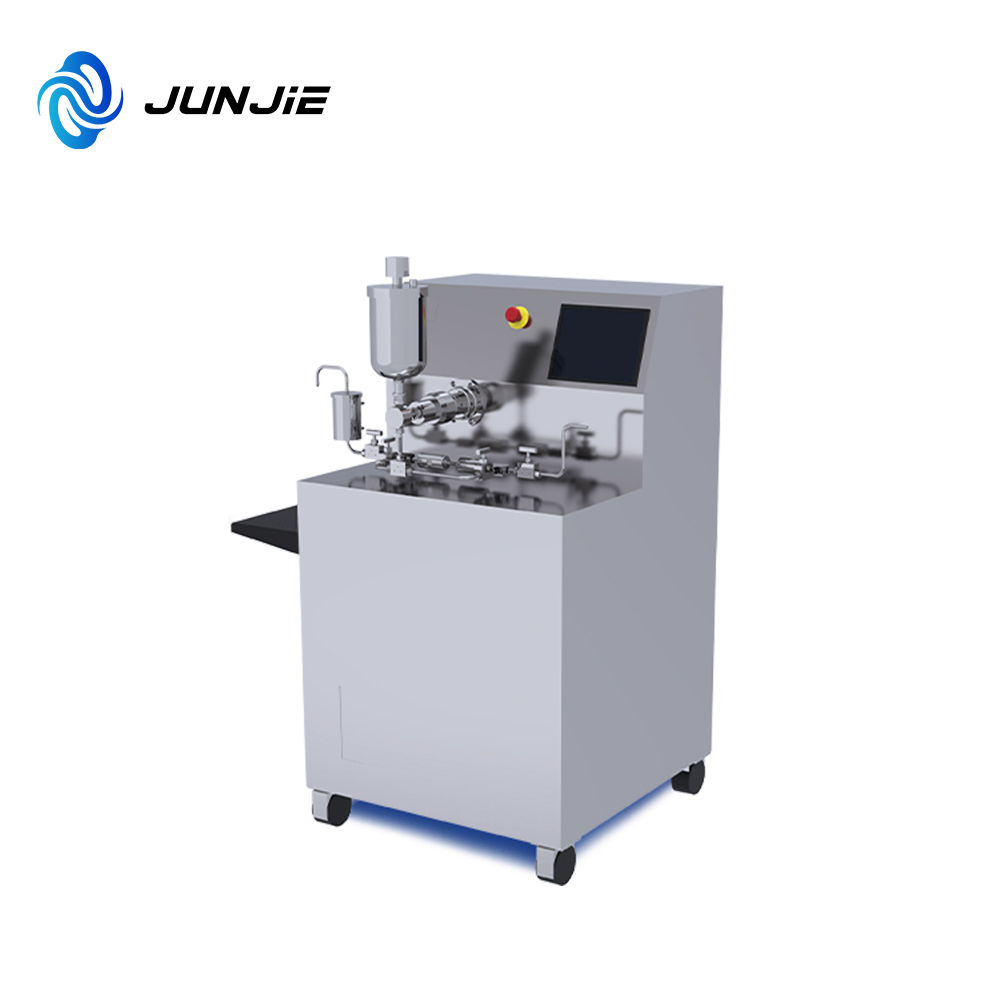
We offer a customized ultra-high-pressure homogenization solution for solid-state electrolytes. The system applies purely physical high-pressure treatment, generating strong shear, impact, and cavitation forces through precision microchannels. It breaks up filler agglomerates, ensures uniform salt dispersion, and enhances polymer–filler compatibility. Adjustable pressure and cycle parameters enable fully tailored preparation, maximizing ionic conductivity and mechanical stability.
300 MPa processing with 40, 50, 55, and 60 cycles, with samples taken at each stage for testing and analysis.
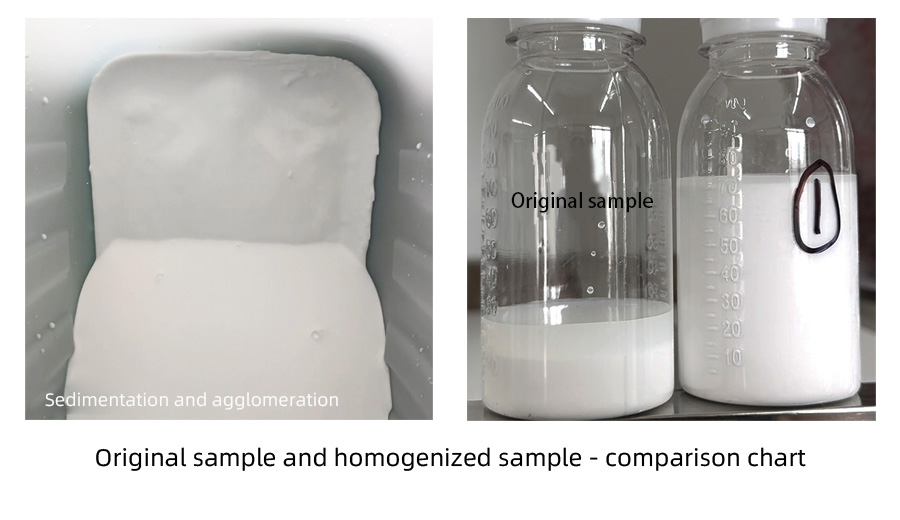
From process adaptation and parameter optimization to production line design, we provide one-stop customization services.