
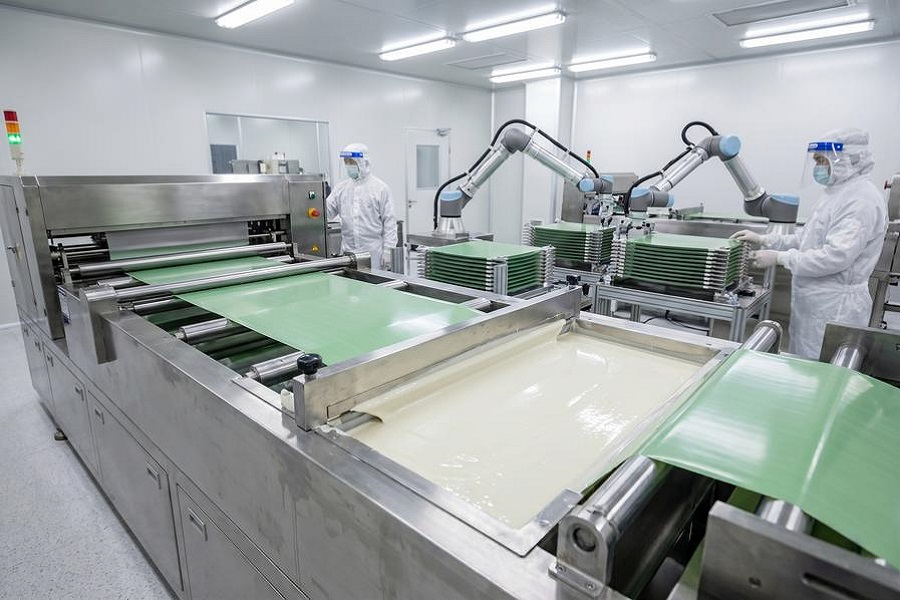
As biotechnology, pharmaceutical manufacturing, food processing, and advanced materials industries continue expanding worldwide, emerging markets are becoming major growth engines for homogenization equipment. Countries across Asia-Pacific, Latin America, the Middle East, and Eastern Europe are investing heavily in modern manufacturing capabilities, creating unprecedented demand for high pressure homogenizer technology.
From vaccine production and nanoparticle formulation to premium beverages and cosmetic emulsions, manufacturers are increasingly adopting the ultra high pressure homogenizer to improve product quality, production efficiency, and regulatory compliance. At the same time, leading microfluidics companies are introducing advanced technologies that enable higher precision, greater scalability, and lower operating costs.
This article explores the key factors driving global demand and the industries shaping the future of homogenization technology.
Why Emerging Markets Are Investing in Homogenization Technology
Several macroeconomic and industrial trends are accelerating equipment adoption worldwide.
1. Rapid Growth of Biopharmaceutical Manufacturing
Many emerging economies are building local pharmaceutical production capabilities to reduce dependence on imports.
Governments are investing in:
- Vaccine manufacturing
- Biosimilars
- Monoclonal antibodies
- Gene therapy research
- Lipid nanoparticle (LNP) production
These applications require highly controlled particle sizes and reproducible processing, making high pressure homogenizer technology an essential manufacturing solution.
2. Rising Demand for Functional Foods
Consumers increasingly seek products that deliver nutritional and health benefits.
Manufacturers are producing:
- Protein beverages
- Plant-based milk
- Functional juices
- Probiotic drinks
- Nutraceutical suspensions
An ultra high pressure homogenizer helps create stable emulsions while improving texture, mouthfeel, and shelf stability without relying heavily on additives.
3. Expansion of the Cosmetics Industry
Premium skincare products often rely on nano-sized emulsions to enhance ingredient penetration and product stability.
Applications include:
- Nano creams
- Serums
- Lotions
- Liposome-based skincare
- Active ingredient encapsulation
High-pressure homogenization enables consistent particle size reduction, improving both product performance and consumer experience.
4. Government Support for Advanced Manufacturing
Many countries have introduced incentives encouraging domestic production of:
- Medical devices
- Pharmaceutical ingredients
- Food ingredients
- Biotechnology products
These initiatives increase investment in precision processing equipment capable of meeting international quality standards.
Industries Driving Equipment Demand
Pharmaceutical Manufacturing
The pharmaceutical industry represents one of the fastest-growing application sectors.
Common uses include:
- Liposome production
- Nanoemulsion preparation
- Vaccine formulation
- Cell disruption
- Drug delivery systems
- Protein extraction
Precise particle size control directly influences bioavailability and therapeutic effectiveness.
Biotechnology
Biotechnology laboratories require reliable homogenization for:
- Cell lysis
- DNA extraction
- Protein purification
- Fermentation downstream processing
Modern systems allow researchers to achieve high yields while minimizing thermal damage to sensitive biological materials.
Food & Beverage
Food manufacturers use homogenizers for:
- Dairy products
- Plant-based beverages
- Juice stabilization
- Sauces
- Dressings
- Functional nutrition products
High-pressure processing improves stability without significantly affecting nutritional value.
Cosmetics
Beauty manufacturers increasingly rely on homogenization to produce:
- Nano emulsions
- Sunscreens
- Moisturizers
- Anti-aging creams
- Cosmetic serums
Smaller particle sizes contribute to smoother textures and improved ingredient absorption.
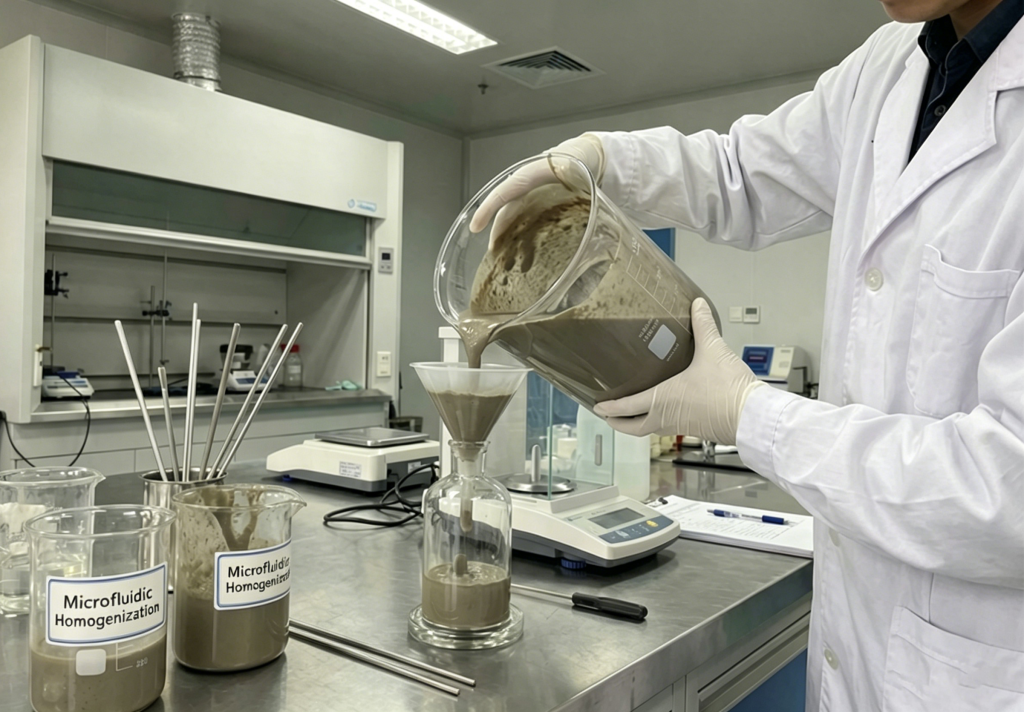
Technology Trends Shaping the Industry
Ultra-High Pressure Processing
Traditional homogenizers typically operate below 200 MPa.
Today’s ultra high pressure homogenizer systems can exceed 400 MPa, enabling:
- Smaller particle sizes
- Better emulsion stability
- Enhanced encapsulation efficiency
- Faster processing
- Reduced batch variability
These advantages make ultra-high pressure systems particularly attractive for pharmaceutical and nanotechnology applications.
Digital Automation
Modern equipment increasingly includes:
- PLC automation
- Touchscreen interfaces
- Recipe management
- Remote diagnostics
- Data logging
- Predictive maintenance
Automation improves process consistency while reducing operator error.
Continuous Manufacturing
Rather than relying solely on batch processing, many manufacturers are adopting continuous production systems.
Benefits include:
- Higher throughput
- Lower production costs
- Reduced contamination risk
- Better scalability
Continuous homogenization is becoming especially important in pharmaceutical manufacturing.
Sustainable Manufacturing
Manufacturers are also focusing on sustainability by reducing:
- Energy consumption
- Water usage
- Product waste
- Cleaning chemicals
New equipment designs improve overall operational efficiency while supporting environmental goals.
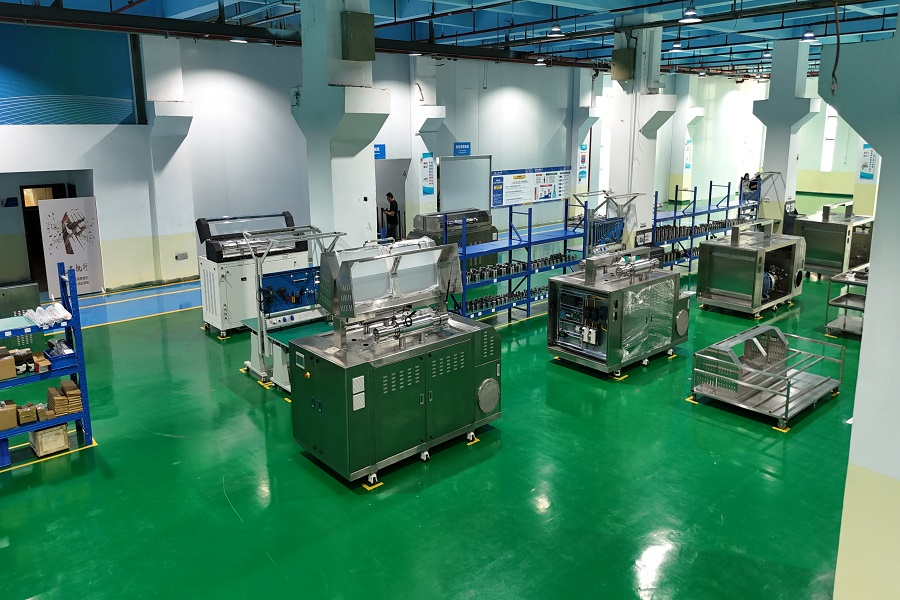
The Growing Role of Microfluidics Companies
Many microfluidics companies are leading innovation in advanced homogenization.
Their technologies enable:
- Controlled microchannel processing
- Uniform shear forces
- Narrow particle size distribution
- High encapsulation efficiency
- Excellent process reproducibility
Compared with conventional valve homogenizers, microfluidic systems often produce more consistent nanoparticles while requiring fewer processing passes.
This makes them especially valuable for:
- Lipid nanoparticles
- mRNA vaccines
- Drug delivery systems
- Gene therapy
- Precision nanomedicine
As demand for advanced biologics grows, partnerships between equipment manufacturers and microfluidics companies are expected to increase worldwide.
Challenges Facing Emerging Markets
Despite strong growth potential, several challenges remain.
High Initial Investment
Advanced homogenization systems require significant capital investment, particularly for smaller manufacturers.
Technical Expertise
Operating ultra-high pressure systems requires skilled personnel trained in:
- Process optimization
- Equipment maintenance
- Validation
- Regulatory compliance
Training programs are becoming increasingly important.
Regulatory Requirements
Pharmaceutical and food manufacturers must comply with increasingly stringent international regulations, requiring equipment capable of delivering repeatable and validated performance.
Future Outlook
The next decade is expected to bring continued expansion in homogenization technology adoption across emerging markets.
Several trends will shape future growth:
- Increased pharmaceutical localization
- Expansion of biologics manufacturing
- Rising demand for functional foods
- Growth of premium cosmetics
- Wider adoption of nanotechnology
- AI-assisted process optimization
- Greater automation and digitalization
Manufacturers investing early in advanced high pressure homogenizer technology will be better positioned to meet evolving quality standards and compete in global markets.
Conclusion
Emerging markets are transforming the global landscape for homogenization technology. Rising investments in pharmaceuticals, biotechnology, food processing, and cosmetics are driving demand for more advanced processing solutions capable of delivering precision, consistency, and scalability.
The ultra high pressure homogenizer has become a critical tool for manufacturers seeking nanoscale particle control and superior product quality. Meanwhile, innovations introduced by leading microfluidics companies continue to expand the possibilities of high-performance homogenization across multiple industries.
As manufacturing standards continue to rise worldwide, organizations that adopt advanced high pressure homogenizer technology today will be better equipped to support future innovation, improve operational efficiency, and remain competitive in rapidly evolving global markets.