
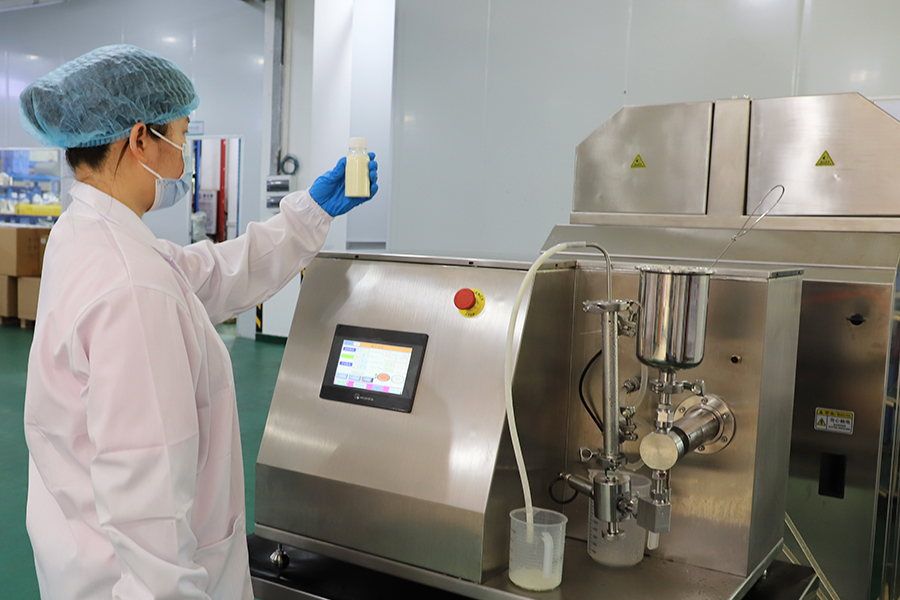
The biomedical industry has experienced remarkable progress over the past decade, driven by breakthroughs in nanotechnology, precision medicine, gene therapy, vaccines, and biologics. As therapeutic formulations become increasingly sophisticated, manufacturers face growing demands for particle size control, formulation stability, reproducibility, and scalable production.
Among the enabling technologies behind these innovations, the high pressure microfluidizer has become an essential processing platform. By combining ultra-high pressure with precisely engineered interaction chambers, this advanced equipment delivers exceptional particle size reduction, uniform dispersion, and highly repeatable processing results.
Today, microfluidic technology is widely adopted across pharmaceutical research institutes, biotechnology companies, vaccine manufacturers, and university laboratories. Whether preparing lipid nanoparticles (LNPs) for mRNA therapeutics, producing liposomes, developing nanoemulsions, or disrupting cells for protein extraction, the microfluidic high pressure homogenizer provides a reliable solution for modern biomedical manufacturing.
This article explores the latest research directions and practical applications of microfluidizer technology throughout the biomedical field.
What Is a High Pressure Microfluidizer?
A high pressure microfluidizer is a specialized homogenization system that forces fluids through micron-scale fixed-geometry interaction chambers under extremely high pressures, often reaching hundreds of megapascals.
Unlike conventional homogenizers that rely primarily on mechanical shear, a microfluidizer combines multiple physical mechanisms simultaneously, including:
- High-velocity impact
- Microchannel acceleration
- Cavitation
- Turbulence
- Shear stress
- Particle collision
These combined forces efficiently reduce particle size into the nano range while maintaining excellent distribution uniformity.
Because the geometry of the interaction chamber remains fixed, every batch experiences identical processing conditions, greatly improving process repeatability—an essential requirement for pharmaceutical manufacturing and biomedical research.
Why Microfluidic Technology Is Important in Biomedical Research
Biomedical formulations often contain highly sensitive biological materials, including proteins, nucleic acids, lipids, peptides, enzymes, and living cells.
Traditional mixing technologies frequently produce:
- Broad particle size distributions
- Inconsistent emulsification
- Poor encapsulation efficiency
- Batch-to-batch variation
- Limited scalability
Advanced microfluidic technology overcomes these limitations by enabling precise control of fluid dynamics and energy input.
The result includes:
- Uniform nanoparticle formation
- Narrow particle size distribution
- Improved formulation stability
- Higher bioavailability
- Better reproducibility
- Easier process scale-up
These advantages make microfluidizers indispensable throughout pharmaceutical development.
Major Biomedical Applications of Microfluidic High Pressure Homogenizer Systems
1. Lipid Nanoparticle (LNP) Production
Lipid nanoparticles have become one of the most important drug delivery systems in modern medicine.
They are widely used for delivering:
- mRNA
- siRNA
- DNA
- CRISPR components
- Small molecule drugs
The success of mRNA vaccines has demonstrated how critical nanoparticle quality is for therapeutic performance.
A microfluidic high pressure homogenizer enables manufacturers to produce LNPs with:
- Uniform particle sizes
- High encapsulation efficiency
- Excellent stability
- Reduced aggregation
- Scalable manufacturing
Consistent nanoparticle characteristics directly influence drug efficacy and safety.
2. Liposome Preparation
Liposomes remain one of the most established nanocarriers in pharmaceutical delivery.
Applications include:
- Cancer therapy
- Antifungal drugs
- Vaccine adjuvants
- Gene delivery
- Targeted therapeutics
Microfluidizer processing significantly improves:
- Liposome size consistency
- Lamellarity control
- Encapsulation efficiency
- Storage stability
Compared with sonication or conventional homogenization, high-pressure microfluidization produces more uniform liposomal formulations suitable for clinical development.
3. Nanoemulsion Development
Nanoemulsions are increasingly used in:
- Injectable drugs
- Oral formulations
- Ophthalmic medicines
- Topical pharmaceuticals
- Nutraceuticals
A high pressure microfluidizer generates extremely fine droplets, typically well below 200 nm, providing:
- Improved solubility
- Enhanced bioavailability
- Increased stability
- Reduced creaming
- Longer shelf life
These characteristics are especially valuable for poorly water-soluble active pharmaceutical ingredients (APIs).
4. Cell Disruption and Protein Extraction
Biomedical laboratories frequently require efficient extraction of intracellular materials.
Microfluidizers provide highly efficient cell disruption for:
- Escherichia coli
- Yeast
- Microalgae
- Mammalian cells
- Bacterial cultures
Applications include:
- Recombinant protein production
- Enzyme extraction
- Vaccine antigen preparation
- DNA isolation
- RNA purification
Compared with chemical lysis methods, mechanical disruption minimizes contamination while enabling continuous processing.
5. Vaccine Manufacturing
Modern vaccines increasingly rely on nanoscale delivery systems.
Microfluidizer technology supports:
- Antigen dispersion
- Adjuvant emulsification
- Lipid nanoparticle preparation
- Protein stabilization
- Uniform formulation development
Because vaccine manufacturing demands strict process consistency, the repeatability of fixed-geometry interaction chambers offers significant advantages.
6. Gene Therapy and Nucleic Acid Delivery
Gene therapy requires sophisticated delivery systems capable of protecting fragile nucleic acids.
Microfluidizers assist in producing nanoparticles for:
- DNA delivery
- mRNA therapeutics
- siRNA therapy
- CRISPR-Cas systems
- Gene editing platforms
Precise particle size control improves cellular uptake while reducing formulation variability.
7. Monoclonal Antibody and Biologics Processing
Biopharmaceutical production increasingly involves complex protein formulations.
Microfluidization supports:
- Uniform suspension preparation
- Excipient dispersion
- Protein formulation
- Aggregate reduction
- Stable injectable products
Carefully optimized processing conditions help preserve biological activity while improving formulation consistency.
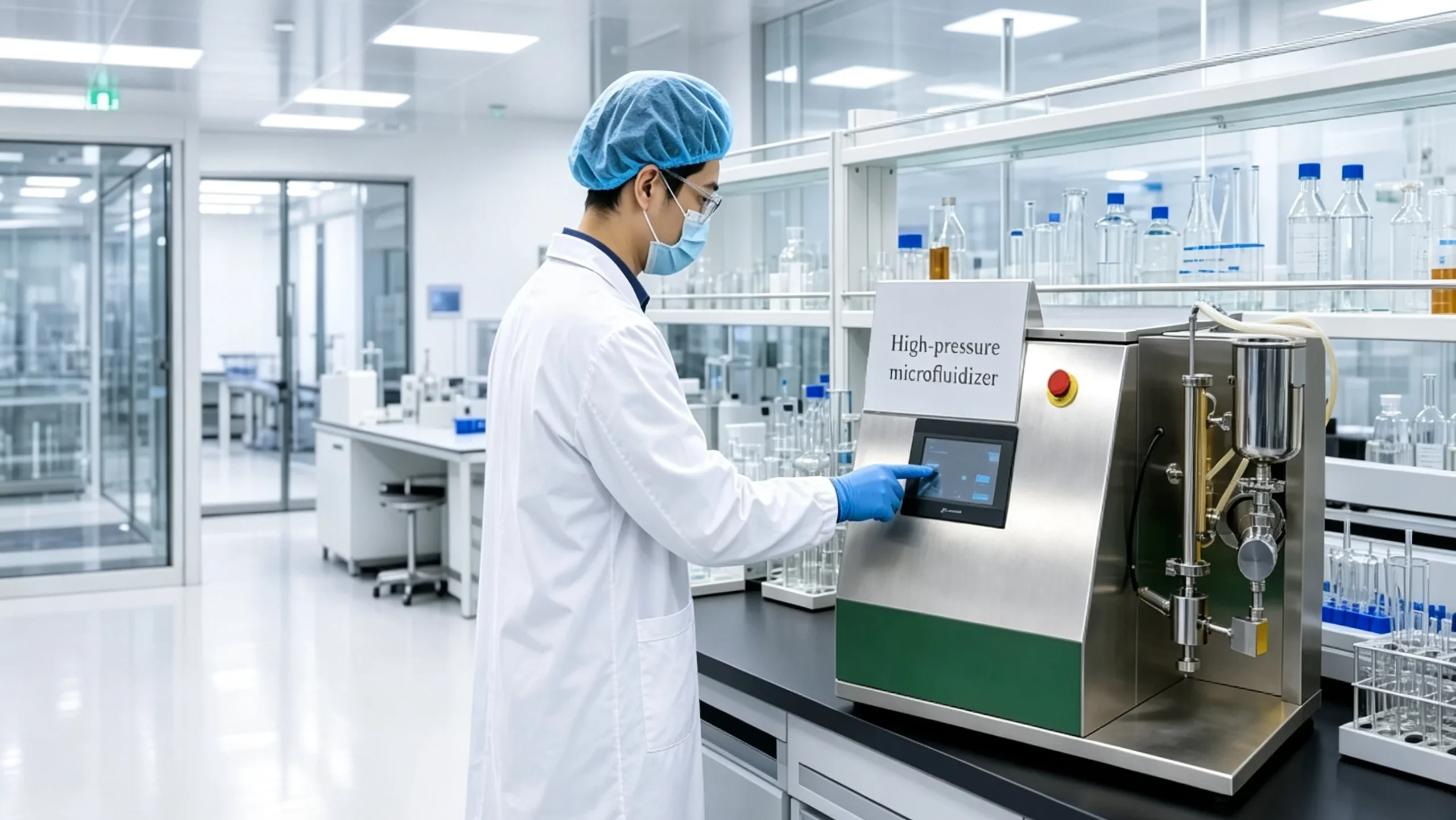
Five Key Selection Criteria for Biomedical Applications
1. Minimum Sample Volume and Dead Volume
Biomedical research often involves limited and valuable samples, such as liposome formulation screening or early-stage mRNA vaccine development, where available sample volumes may be as small as 20–50 mL. Therefore, the minimum processing volume of a homogenizer directly determines whether certain experiments can be performed.
Conventional high-pressure homogenizers typically require at least 100 mL of sample. In contrast, advanced high pressure microfluidizers, such as the JUNJIE HPW-10, can process as little as 10 mL with a dead volume of approximately 1 mL, significantly reducing sample waste and lowering research costs.
2. Operating Pressure and Homogenization Performance
Operating pressure is one of the most important factors affecting particle size reduction and cell disruption efficiency. However, different materials require different pressure ranges for optimal processing.
For laboratory research, it is recommended to select equipment with an adjustable pressure range of 150–310 MPa, providing flexibility for a wide variety of biomedical applications.
Equally important is the drive system. Compared with traditional hydraulic systems, servo electric cylinder-driven systems offer more precise pressure control, smoother operation, and superior repeatability, making them particularly suitable for scientific research where experimental accuracy is essential.
3. Data Recording and Regulatory Compliance
Data management is often overlooked during equipment selection but becomes one of the biggest regrets after purchase.
Scientific publications, patent applications, and research grant evaluations all require complete and traceable experimental records. Traditional homogenizers typically rely on manual recording of parameters such as pressure, temperature, and processing time, which is inefficient and increases the risk of incomplete or inconsistent data.
For laboratory applications, it is advisable to choose equipment equipped with a touchscreen control system that supports automatic data recording and export. If future scale-up to industrial production is anticipated, selecting a system with GMP- and GLP-compliant data management interfaces will facilitate process validation and technology transfer.
4. Temperature Control Capability
Biological macromolecules—including proteins, enzymes, mRNA, and other thermosensitive materials—can easily lose biological activity if exposed to excessive heat during homogenization.
Without an effective temperature control system, processing performance and product quality may be significantly compromised.
JUNJIE high pressure microfluidizers feature modular temperature control systems that can be customized according to different materials:
- For general heat-sensitive materials, the processing temperature can be maintained below 40°C.
- For extremely temperature-sensitive biological samples, low-temperature homogenization at approximately 4°C is available.
This flexible temperature management helps preserve biological activity and formulation stability.
5. Flexible Pressure Adjustment
Biomedical laboratories often require a single instrument to perform multiple applications, including liposome preparation, nanoparticle production, nanoemulsion processing, and cell disruption.
The ability to quickly switch between different operating pressures and processing conditions directly improves laboratory efficiency and expands research capabilities.
JUNJIE high pressure microfluidizers provide highly flexible pressure adjustment, allowing researchers to optimize processing parameters for different materials without changing equipment.
Future Trends in Biomedical Microfluidization
As precision medicine continues to evolve, the demand for advanced nanoparticle processing technologies will continue to grow.
Future research directions include:
- Personalized drug manufacturing
- Targeted nanomedicine
- AI-assisted process optimization
- Continuous pharmaceutical manufacturing
- Next-generation mRNA therapeutics
- Exosome processing
- Cell therapy manufacturing
- Precision vaccine production
With increasing regulatory expectations and growing demand for reproducible nanomedicine manufacturing, high-performance microfluidization systems will remain a cornerstone of biomedical innovation.
Applications of JUNJIE High Pressure Microfluidizers in Biomedical
Nanomedicine and Drug Delivery System Development
Lipid Nanoparticle (LNP) Production
High pressure microfluidization is widely used for the preparation of lipid nanoparticles (LNPs) for advanced drug delivery systems, including mRNA vaccines.
Through precisely controlled shear forces, cavitation, and particle collision, the system produces nanoparticles with:
- Narrow particle size distribution
- High encapsulation efficiency
- Excellent formulation stability
- Outstanding batch-to-batch consistency
Nanoemulsions and Nanosuspensions
For poorly water-soluble pharmaceutical compounds, microfluidization enables the production of nanoemulsions and nanocrystal suspensions.
The high-pressure homogenization process significantly reduces particle size, improving:
- Drug dissolution rate
- Bioavailability
- Physical stability
- Drug delivery efficiency
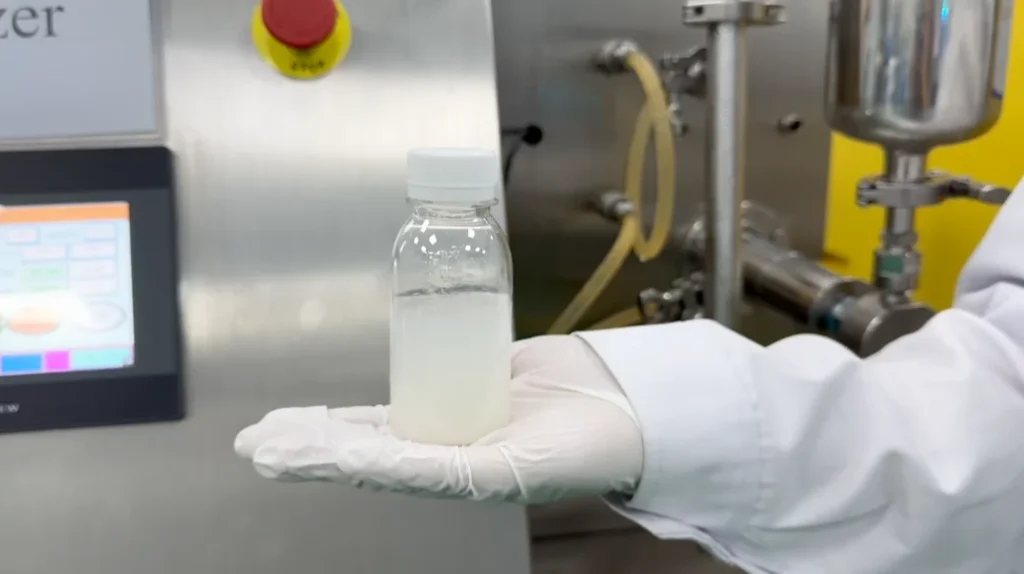
Biopharmaceutical Processing
Cell Disruption and Biomolecule Extraction
High pressure microfluidizers efficiently disrupt engineered bacteria, yeast, and mammalian cells, releasing valuable intracellular biomolecules such as:
- Recombinant proteins
- Enzymes
- Antibodies
- Nucleic acids
The controlled homogenization process maximizes extraction efficiency while helping preserve biological activity.
Viral Vector and Vaccine Processing
Microfluidizer technology is also widely applied in the production of viral vectors and virus-like particles (VLPs).
Applications include:
- Homogeneous suspension preparation
- Aggregate dissociation
- Improved viral integrity
- Enhanced infectivity
- Greater batch consistency in vaccine manufacturing
Protein Drug Optimization
Protein Deaggregation and Redispersion
For high-concentration protein therapeutics such as monoclonal antibodies, high pressure microfluidization effectively disperses protein aggregates formed during production.
This helps restore monodispersity, improving both product safety and therapeutic efficacy.
Protein Immobilization and Surface Modification
Microfluidizer technology can also be used as a pretreatment process for protein immobilization.
By modifying carrier surface properties and enhancing protein-carrier interactions, homogenization improves immobilization efficiency for various biomedical applications.
Aseptic Pharmaceutical Manufacturing
Sterile Homogenization with CIP/SIP Integration
JUNJIE microfluidizers can be equipped with Clean-in-Place (CIP) and Sterilize-in-Place (SIP) systems.
These features enable:
- Efficient in-place cleaning
- Automated sterilization
- Reduced contamination risk
- Compliance with GMP standards for aseptic pharmaceutical manufacturing
Core Advantages in Biomedical Applications
| Technical Advantage | Performance |
|---|---|
| Particle Size Control | Stable nanoscale particle size with extremely narrow particle size distribution (low PDI) |
| Cell Disruption | Fast and efficient cell disruption with high recovery of intracellular biomolecules |
| Process Stability | Stable pressure throughout multiple homogenization cycles for highly reproducible results |
| Regulatory Compliance | Optional CIP/SIP systems with GMP/GLP-compliant data recording |
| Temperature Control | Customizable temperature control for heat-sensitive biological materials |
| Sample Compatibility | Low minimum sample volume and minimal dead volume suitable for diverse biomedical materials |
Conclusion
The rapid advancement of biotechnology has created unprecedented demand for precise nanoparticle engineering, stable formulations, and scalable manufacturing. The high pressure microfluidizer has emerged as one of the most important enabling technologies for meeting these challenges, offering exceptional control over particle size, process consistency, and production efficiency.
From lipid nanoparticles and liposomes to vaccines, biologics, nanoemulsions, and gene therapies, microfluidic technology continues to expand its role across biomedical research and pharmaceutical manufacturing. With reliable scale-up capabilities and highly repeatable processing, the microfluidic high pressure homogenizer provides researchers and manufacturers with a powerful platform for accelerating innovation and delivering safer, more effective biomedical products.
As nanomedicine, precision therapeutics, and advanced biologics continue to evolve, investing in high-performance microfluidization solutions will remain essential for organizations seeking long-term competitiveness in the biomedical industry.